- Have any questions?
- 407-663-0005
- InspiritEsthetics@gmail.com

What Is Dermaplaning? Benefits, Risks, and When to Avoid It

What Does a Facial Specialist Actually Do? A Day-in-the-Life
July 17, 2026
Influencer Skincare Advice: What’s Safe and What Isn’t?
August 14, 2026
Dermaplaning has become one of the most requested skincare treatments in professional spas, and for good reason. This gentle exfoliation treatment leaves skin feeling incredibly smooth, looking brighter, and creates the perfect canvas for makeup application. As more people prioritize healthy, glowing skin, dermaplaning continues to grow in popularity among clients of all ages.
If you’re considering a career in esthetics, learning about dermaplaning is an important part of understanding today’s most in-demand skincare services. At Orlando Inspirit Esthetics School, students gain the knowledge and hands-on experience needed to perform professional skincare treatments safely and confidently.
Here’s everything you need to know about dermaplaning, including its benefits, potential risks, and who should avoid the treatment.
🤔 What Is Dermaplaning?
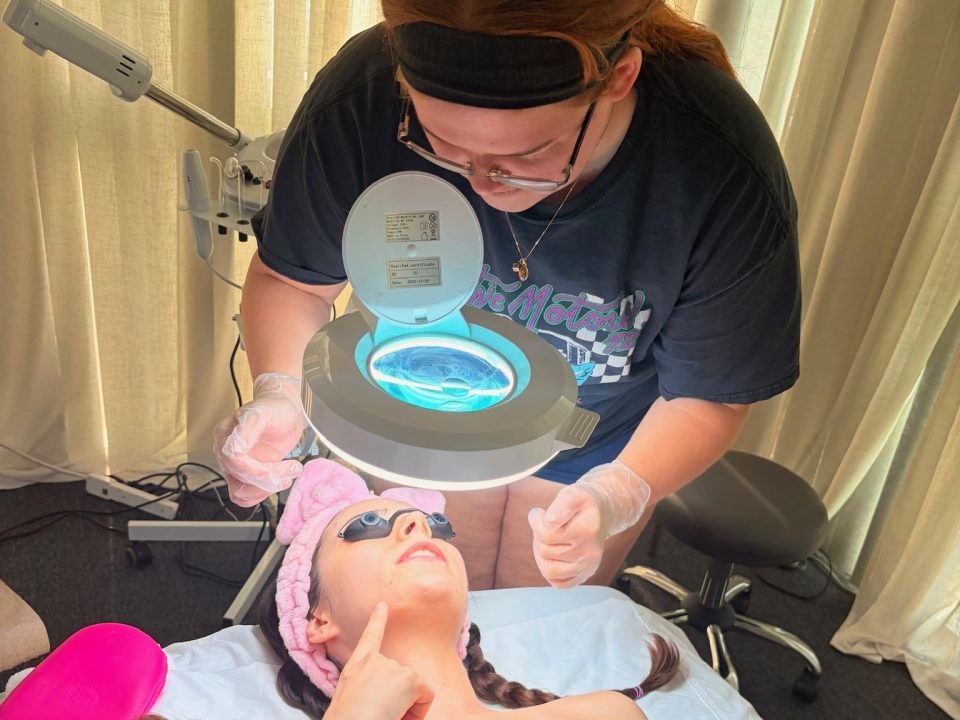
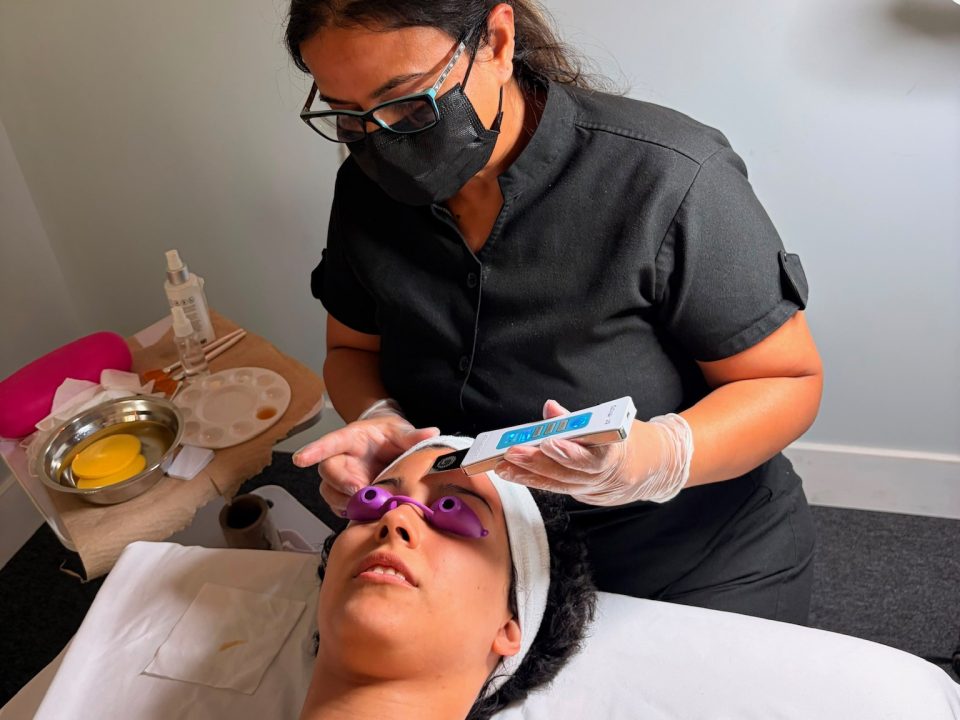
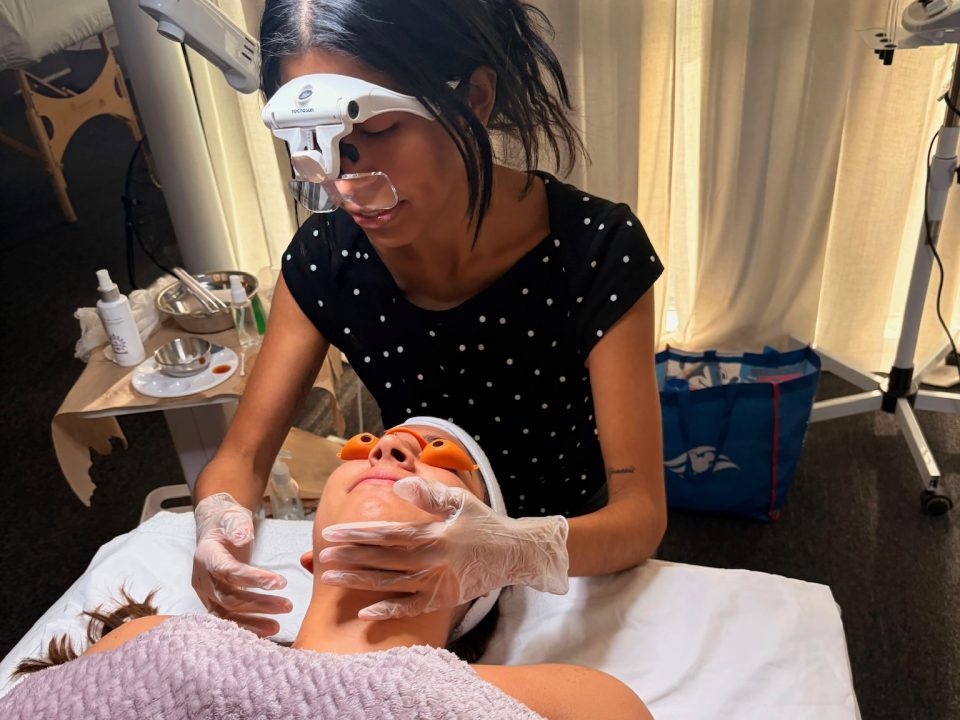
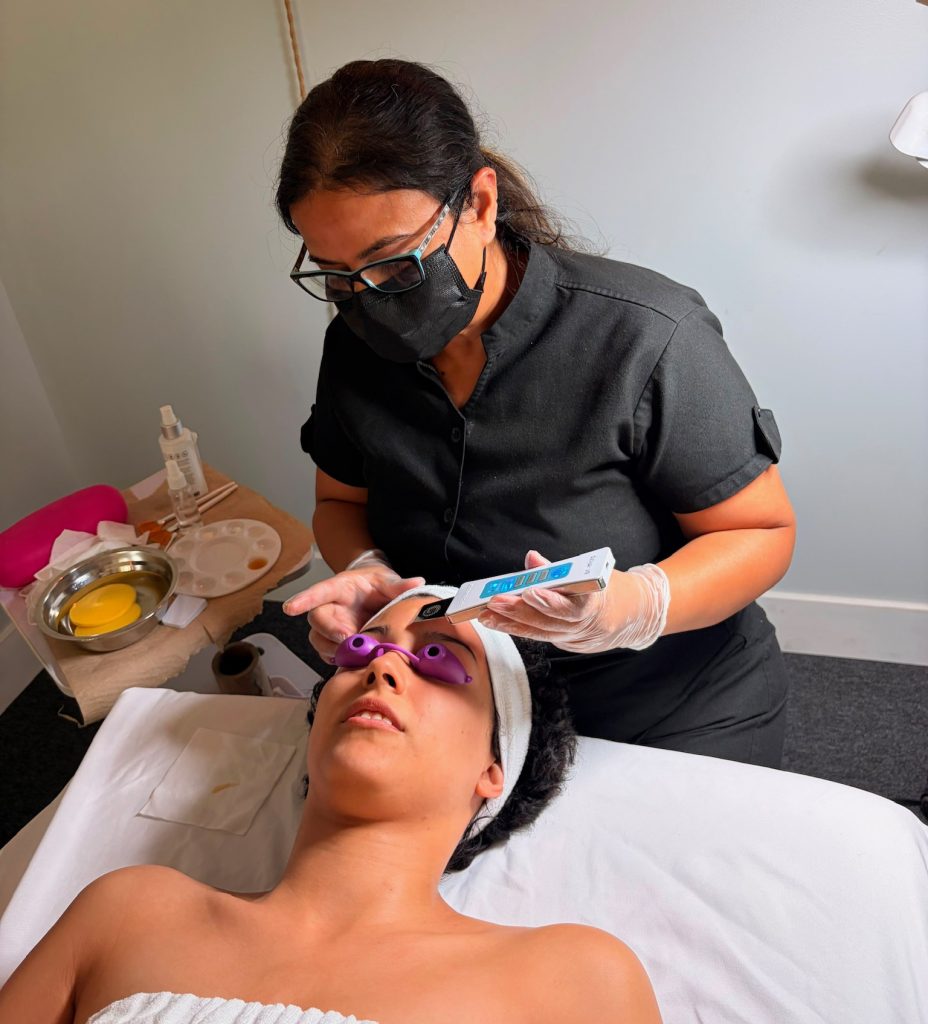
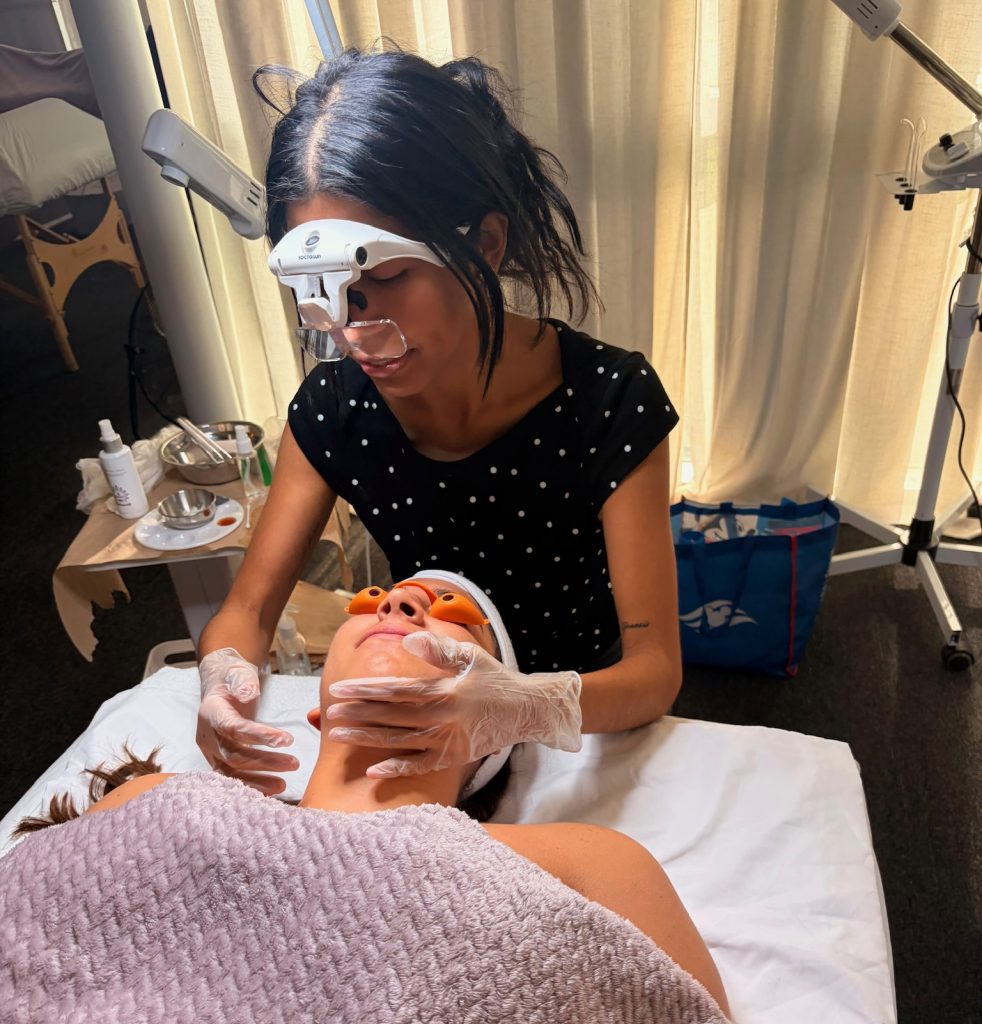
Dermaplaning is a professional exfoliation treatment that uses a sterile surgical blade to gently remove the outermost layer of dead skin cells and fine facial hair (often called “peach fuzz”).
Contrary to common myths, dermaplaning does not cause facial hair to grow back thicker or darker. Hair texture and growth are determined by genetics and hormones—not by shaving or dermaplaning.
The treatment is completely non-invasive and typically takes 30 to 45 minutes, making it an excellent option for clients looking for smoother, more radiant skin without downtime.
🟢 Benefits of Dermaplaning
One reason dermaplaning is so popular is because clients often notice immediate results after just one treatment.
Brighter, Smoother Skin
Removing dead skin buildup reveals fresher skin underneath, instantly improving the skin’s texture and overall appearance.
Better Product Absorption
Without layers of dead skin blocking the surface, skincare products like serums and moisturizers can penetrate more effectively, helping clients get better results from their home skincare routine.
Flawless Makeup Application
Many clients schedule dermaplaning before weddings, photoshoots, or special events because foundation and concealer apply much more smoothly without peach fuzz.
Reduces Dullness
Regular exfoliation helps improve overall skin tone, giving the complexion a healthy glow.
Softens the Appearance of Fine Lines
While dermaplaning doesn’t erase wrinkles, removing dead skin can make fine lines appear less noticeable by creating a smoother skin surface.
Safe for Most Skin Types
Unlike some chemical exfoliants, dermaplaning is suitable for many individuals—including those who are pregnant or have sensitivities that limit other treatment options.
👍 Who Is a Good Candidate for Dermaplaning?
Dermaplaning works especially well for clients who have:
- Dry or rough skin
- Mild acne scarring
- Sun-damaged skin
- Uneven skin texture
- Dull complexion
- Fine facial hair
- Mature skin seeking gentle exfoliation
A professional skin consultation is always recommended before treatment to determine whether dermaplaning is appropriate.
⚠️ Are There Any Risks?
When performed by a trained skincare professional, dermaplaning is generally considered very safe.
However, like any skincare treatment, there are some potential risks.
Temporary Redness
Some clients experience mild redness immediately after treatment, but it usually disappears within a few hours.
Minor Sensitivity
Freshly exfoliated skin may feel more sensitive to skincare products and sun exposure for a day or two.
Small Nicks
Because the treatment uses a surgical blade, improper technique can lead to tiny cuts. This is why professional training and proper sanitation are essential.
Increased Sun Sensitivity
Newly exfoliated skin should always be protected with sunscreen to prevent UV damage.
🚫 When Should You Avoid Dermaplaning?
Although dermaplaning is an excellent treatment for many people, it isn’t right for everyone.
Clients should avoid dermaplaning if they have:
Active Acne Breakouts
Inflamed acne can become irritated, and the blade may spread bacteria across the skin.
Open Wounds or Cuts
Any broken skin should heal completely before treatment.
Sunburn
Dermaplaning on sunburned skin can cause further irritation and discomfort.
Active Skin Infections
Cold sores, fungal infections, or bacterial infections should be fully resolved before scheduling treatment.
Certain Medical Skin Conditions
Clients with conditions such as eczema flare-ups, psoriasis outbreaks, or severe rosacea may not be good candidates depending on the severity of their symptoms.
A licensed esthetician should always perform a thorough consultation before proceeding.
☝️ Dermaplaning Aftercare Tips
Proper aftercare helps clients maximize their results.
After treatment, clients should:
- Wear SPF 30 or higher every day
- Avoid excessive sun exposure for 24–48 hours
- Skip harsh exfoliants and retinoids for several days
- Keep skin moisturized
- Avoid touching the face unnecessarily
- Follow the personalized skincare recommendations provided by their esthetician
🏋️♀️ Why Professional Training Matters
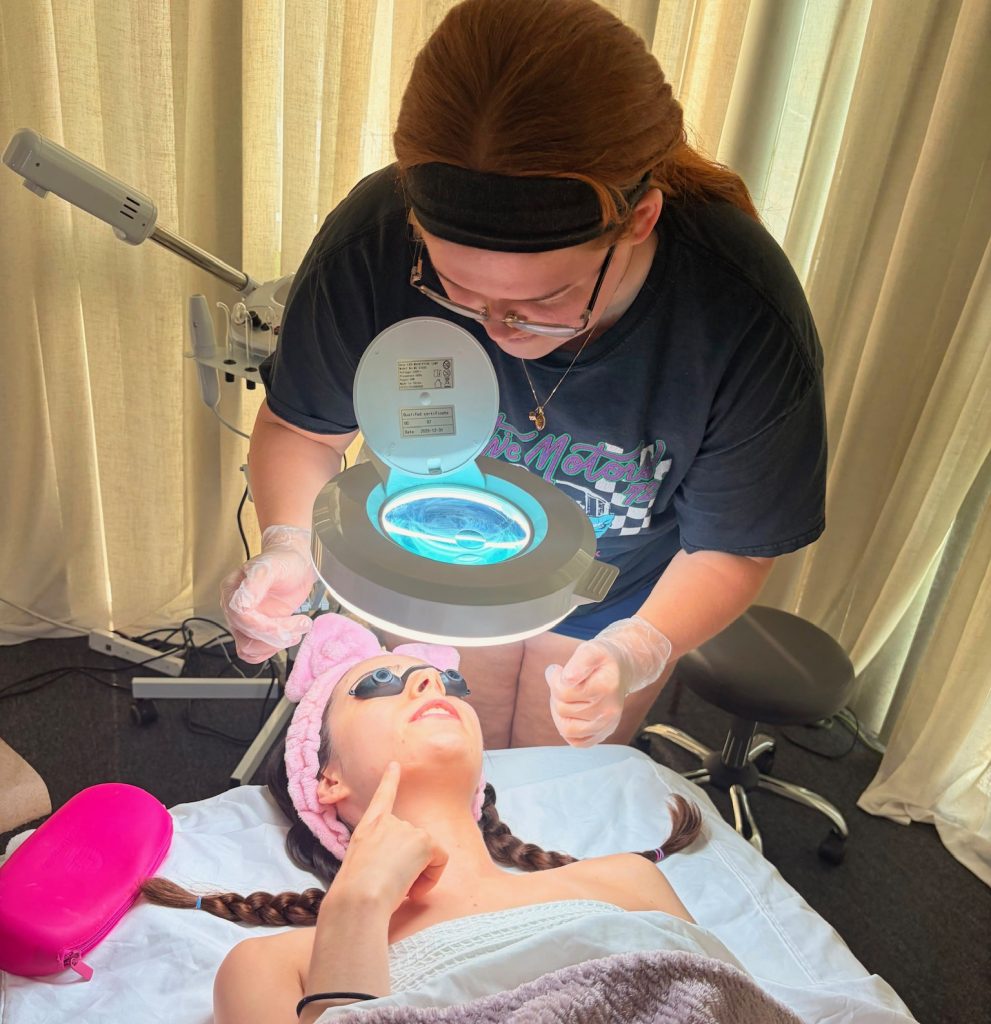
Dermaplaning may appear simple, but proper blade angle, pressure, sanitation, and client evaluation require professional education and practice.
Licensed estheticians learn:
- Skin anatomy
- Infection control and sanitation
- Client consultation
- Contraindications
- Safe dermaplaning techniques
- Post-treatment care
- Professional ethics
These skills help ensure treatments are both safe and effective.
📍 Learn Professional Skincare at Orlando Inspirit Esthetics School
Today’s esthetics industry is filled with exciting opportunities for professionals who are passionate about skincare and helping others feel confident in their skin. Treatments like dermaplaning continue to grow in popularity, making advanced skincare knowledge more valuable than ever.
At Orlando Inspirit Esthetics School, students receive comprehensive education in skin health, professional treatment techniques, client care, sanitation, and the practical skills needed to begin a rewarding career in esthetics. Whether your goal is to work in a luxury spa, medical office, skincare clinic, or eventually own your own business, quality education is the first step toward success.
If you’re ready to turn your passion for skincare into a career, Orlando Inspirit Esthetics School can help you build the confidence and skills needed to thrive in the beauty industry.
✨ Start Your Journey Toward an Esthetics Career
Dermaplaning is just one of many professional skincare treatments that licensed estheticians use to help clients achieve healthier, more radiant skin. Understanding its benefits, limitations, and proper application is essential for anyone entering the esthetics field.
At Orlando Inspirit Esthetics School, you’ll learn the science behind skincare while developing the hands-on experience employers value. If you’re ready to begin your journey into the growing world of esthetics, there’s never been a better time to invest in your future.
Ready to learn more? Contact Orlando Inspirit Esthetics School today to discover how professional training can help you launch a successful career in skincare.