- Have any questions?
- 407-663-0005
- InspiritEsthetics@gmail.com

The Role of pH in Skincare: What Every Esthetician Should Understand

Top Services Estheticians Can Offer Right After School
October 23, 2026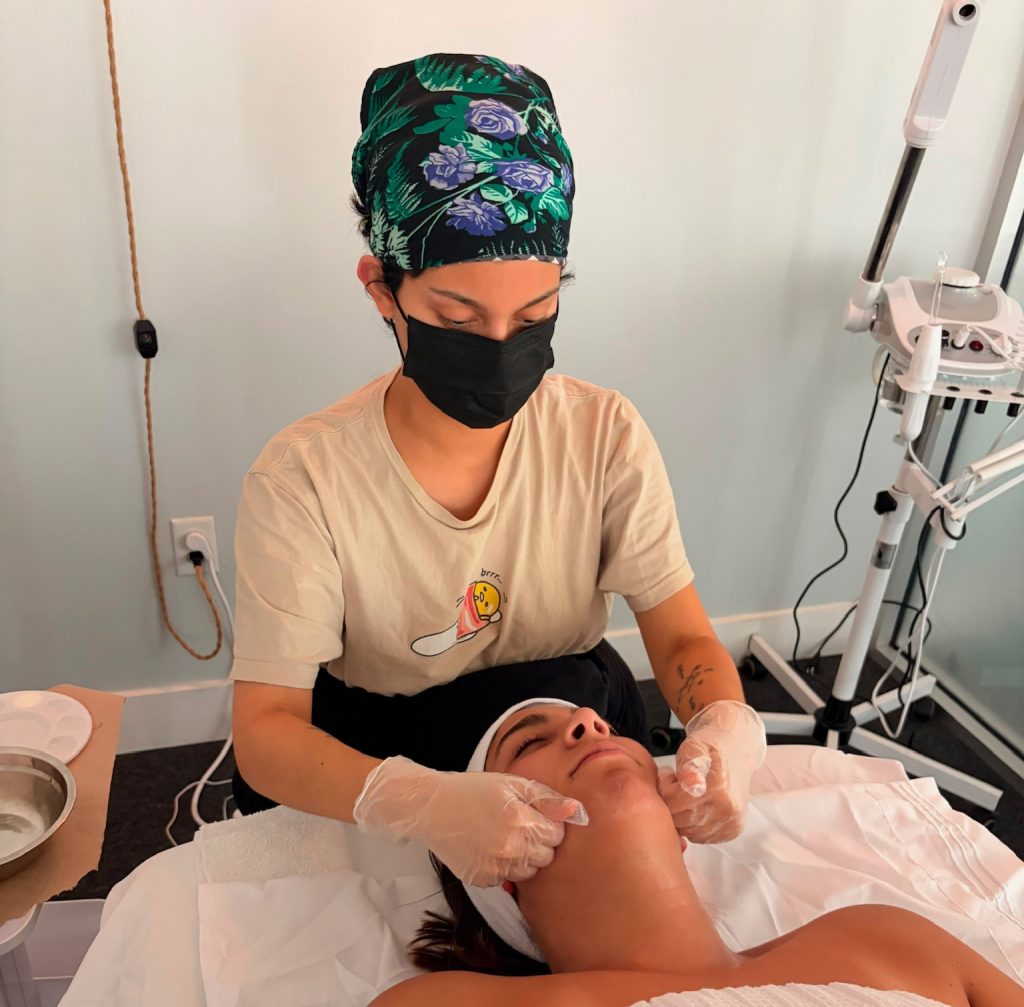
For aspiring estheticians, understanding pH in skincare is an important part of developing the knowledge needed to recommend products, perform professional treatments, and provide clients with appropriate skincare guidance. Learning how pH affects the skin helps future skincare professionals make more informed decisions instead of relying on product claims alone.
What Is pH and Why Does It Matter in Skincare?
pH stands for potential of hydrogen and is a measurement used to determine how acidic or alkaline a substance is. The pH scale ranges from 0 to 14, with 7 considered neutral. Anything below 7 is acidic, while anything above 7 is alkaline.
In skincare, pH matters because the skin has its own natural chemical balance that helps protect it from external irritants, harmful microorganisms, and moisture loss. The outermost layer of the skin, known as the stratum corneum, works alongside the skin’s acid mantle to maintain this protective environment.
Healthy skin typically has a slightly acidic surface pH, generally ranging from approximately 4.5 to 5.5, although this can vary depending on the individual, body area, age, and other factors. Maintaining this slightly acidic environment supports important functions such as barrier integrity, natural exfoliation, and the skin’s protective microbiome.
When skincare products are too harsh or significantly disrupt this balance, the skin may become dry, irritated, or more sensitive.
Understanding the Skin’s Natural Acid Mantle
The acid mantle is a thin, slightly acidic protective film that covers the skin’s surface. It consists of substances including sebum, sweat, and other natural components that help maintain the skin’s protective environment.
Although it is not visible, the acid mantle plays an important role in keeping the skin comfortable and functioning properly. It helps limit the growth of certain harmful microorganisms while supporting the skin’s natural defenses.
When the acid mantle is disrupted, the skin may have a harder time maintaining moisture and protecting itself from environmental stressors. Some common signs of a compromised skin barrier include:
- Increased dryness or tightness after cleansing.
- Redness, irritation, or sensitivity.
- Flaking or rough skin texture.
- A burning or stinging sensation when applying products.
- Increased reactivity to skincare ingredients that were previously tolerated.
For estheticians, recognizing these signs is important because they may indicate that a client’s current skincare routine is too aggressive or that their skin needs additional barrier support.
How Skincare Product pH Affects the Skin
Different skincare products are formulated with different pH levels depending on their intended purpose and ingredients. Understanding these differences allows estheticians to better evaluate products and determine how they fit into a client’s skincare routine.
Cleansers
Cleansers are one of the most common products that can affect the skin’s pH. Some traditional soaps have a higher, more alkaline pH, which may remove too much of the skin’s natural oils and leave it feeling tight or dry.
Many modern facial cleansers are formulated to be closer to the skin’s natural pH, helping remove dirt, excess oil, and makeup without unnecessarily disrupting the skin barrier.
Toners
Toners can serve different purposes depending on their formulation. Some are designed to provide hydration, while others contain exfoliating ingredients or help address excess oil. Their pH levels vary based on their ingredients and intended use.
Rather than assuming every toner needs to restore the skin’s pH after cleansing, estheticians should understand the formulation and purpose of each product.
Exfoliants
Chemical exfoliants are particularly important when discussing pH because their effectiveness can depend on both the ingredient concentration and the formulation’s pH.
Alpha hydroxy acids (AHAs), such as glycolic acid and lactic acid, help loosen the connections between dead skin cells, encouraging exfoliation. Beta hydroxy acids (BHAs), such as salicylic acid, are commonly used to exfoliate within oilier areas of the skin and help address clogged pores.
The pH of these formulations influences how much of the exfoliating acid is present in its active, un-ionized form. This is one reason professional exfoliating products must be used according to their specific instructions and appropriate treatment protocols.
Moisturizers
Moisturizers help support the skin barrier by reducing moisture loss and providing ingredients that improve hydration. While their pH varies depending on the formulation, many are designed to work comfortably with the skin’s natural environment.
Ingredients such as ceramides, glycerin, and hyaluronic acid can help support hydration and barrier function, making them useful considerations when selecting products for clients experiencing dryness or sensitivity.
Why pH Is Important During Professional Facial Treatments
Understanding pH becomes especially important when estheticians begin working with professional skincare treatments. A facial involves more than applying products in a particular order. Each step should be selected with the client’s skin condition, treatment goals, and tolerance in mind.
For example, an exfoliating treatment may be appropriate for a client experiencing rough texture or certain types of congestion, but it may not be the best choice for someone with an already compromised skin barrier.
Estheticians should consider several factors before selecting professional products:
- Skin condition: Is the client’s skin oily, dry, sensitive, dehydrated, or showing signs of irritation?
- Product formulation: What ingredients are present, and what is the product’s intended pH range?
- Treatment compatibility: Can the selected products be safely incorporated into the same treatment?
- Client history: Has the client experienced sensitivity or adverse reactions to similar ingredients?
- Aftercare: What products and precautions will help support the skin following the treatment?
Knowing how to evaluate these factors helps estheticians create more thoughtful treatments instead of following the same routine for every client.
Common pH Mistakes in Skincare
Even products marketed for professional use can be misunderstood when their formulations and intended purposes are not properly considered. Developing a strong understanding of pH helps estheticians avoid common mistakes that may contribute to unnecessary irritation.
Assuming all acidic products are harmful: Acidity is not automatically a bad thing. Many effective skincare ingredients, including certain exfoliating acids, are formulated to work within specific pH ranges. The important factor is choosing the appropriate formulation and using it correctly.
Over-exfoliating the skin: Combining multiple exfoliating products without considering their strength, frequency, and compatibility can increase irritation and compromise the skin barrier.
Using products without understanding their formulation: Two products containing the same active ingredient may perform differently depending on their concentration, pH, and overall formulation.
Ignoring signs of irritation: Persistent redness, burning, tightness, or peeling should not be treated as proof that a product is working. These symptoms may indicate that the skin is experiencing too much irritation.
Believing every skincare product must have the exact same pH: Different products serve different purposes, and their formulations are designed accordingly. An effective skincare routine does not require every product to have an identical pH level.
How Estheticians Can Use pH Knowledge to Better Serve Their Clients
A knowledgeable esthetician understands that skincare is not one-size-fits-all. Every client has different skin characteristics, concerns, and product preferences, which means treatments should be approached with careful consideration.
Understanding pH gives estheticians another way to evaluate products and make informed recommendations. Instead of simply choosing products based on popularity or marketing claims, they can consider how a formulation interacts with the skin and whether it is appropriate for a particular client.
This knowledge also helps estheticians educate clients about their home skincare routines. Explaining why a gentle cleanser may be more appropriate than a harsh soap, or why excessive exfoliation can lead to irritation, allows clients to make better decisions about their daily skincare habits.
For professionals entering the beauty industry, these details can make a meaningful difference in the quality of care they provide and the confidence they develop when working with clients.
Build Your Skincare Knowledge at Orlando Inspirit Esthetician School
Becoming a successful esthetician requires more than knowing how to perform facials or recommend popular skincare products. It involves understanding the science behind the skin, recognizing different skin conditions, learning how professional products work, and developing the practical skills needed to provide appropriate treatments.
At Orlando Inspirit Esthetician School, students have the opportunity to develop their understanding of skincare through esthetics education and hands-on learning. Building a strong foundation in topics such as skin health, product knowledge, and professional treatment techniques helps prepare aspiring estheticians for the responsibilities of working in the beauty and skincare industry.
Whether you are interested in working in a spa, developing your own skincare business, or exploring other opportunities in esthetics, understanding the science behind skincare is an important part of your professional journey.
If you are considering a career in skincare, learning the fundamentals of esthetics can be a great place to start. Explore the educational opportunities at Orlando Inspirit Esthetician School and take the first step toward building your future in the beauty industry.