- Have any questions?
- 407-663-0005
- InspiritEsthetics@gmail.com
Influencer Skincare Advice: What’s Safe and What Isn’t?

What Is Dermaplaning? Benefits, Risks, and When to Avoid It
July 26, 2026
Best Self-Care Rituals for Healthy, Glowing Skin
August 21, 2026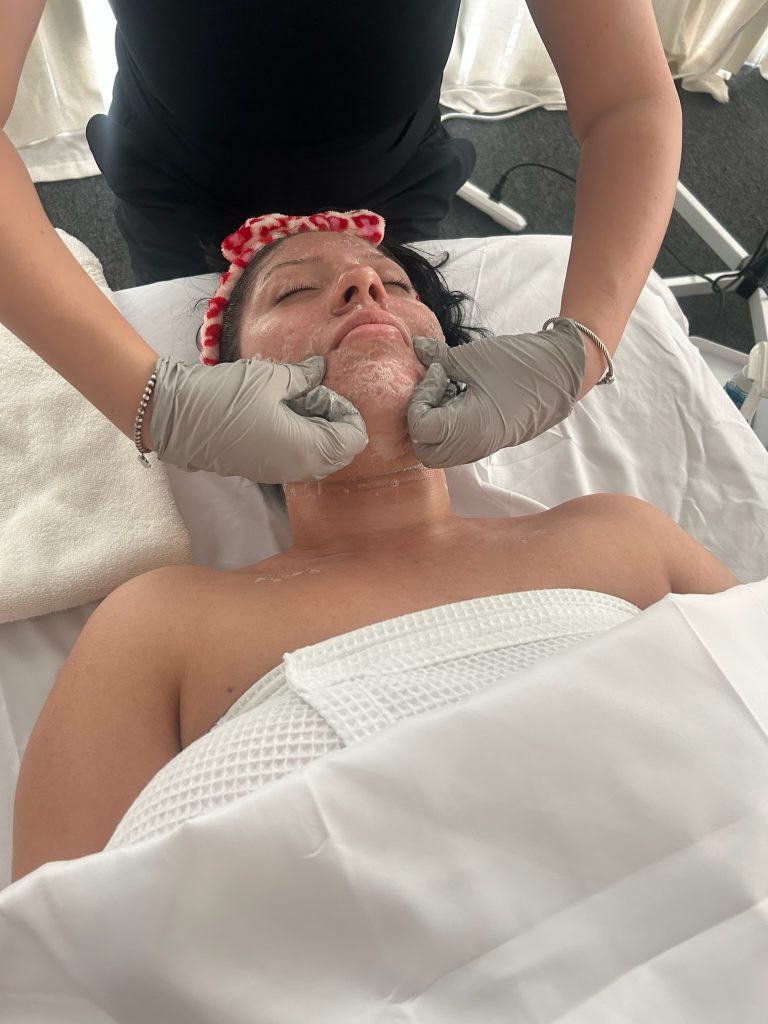
Social media has completely changed the way we learn about skincare. From TikTok routines and Instagram product reviews to YouTube tutorials, influencers are constantly sharing their favorite products, treatments, and skincare hacks.
Some of this advice can be helpful, but not everything you see online is safe for every skin type. A skincare routine that works beautifully for one person can cause irritation, breakouts, or even skin damage for someone else.
For future estheticians, learning how to separate helpful skincare education from potentially harmful trends is an important part of building strong professional knowledge.
🤔 Why Influencer Skincare Advice Can Be Misleading
Influencers often share what worked for their own skin, but that does not mean the same routine will work for everyone.
Skin type, sensitivity, age, lifestyle, medications, allergies, and existing skin concerns can all affect how someone responds to a product or treatment.
There is also an important difference between recommending a product and providing professional skincare guidance. Influencers may not have the education or training needed to recognize when a particular ingredient, treatment, or combination of products could be inappropriate.
That is why skincare professionals should always look beyond a viral trend and consider the individual client.
📝 Skincare Advice That Can Be Helpful
Not all influencer skincare content is bad. In fact, social media can introduce people to useful habits and encourage them to take better care of their skin.
Some generally helpful advice includes:
Wearing Sunscreen Every Day
Daily broad-spectrum sunscreen is one of the most important habits for maintaining healthy-looking skin and helping protect against UV damage.
Influencers who encourage consistent sunscreen use are promoting a skincare habit that professionals can also support.
Keeping a Simple Routine
A complicated 10-step routine is not automatically better.
A basic routine that includes cleansing, moisturizing, and sun protection may be more appropriate than constantly adding new products.
Learning About Ingredients
Social media can make people more interested in ingredients such as retinoids, vitamin C, niacinamide, ceramides, and hyaluronic acid.
Learning what these ingredients do can be useful, but consumers should also understand that concentration, formulation, frequency of use, and individual skin sensitivity matter.
Patch Testing New Products
Introducing one new product at a time and following the manufacturer’s directions can make it easier to identify irritation or sensitivity.
⚠️ Influencer Skincare Trends to Approach With Caution
Some viral skincare trends deserve a little more skepticism.
DIY Chemical Peels
Strong acids and professional-strength chemical peels should not be treated like ordinary skincare products.
Using powerful exfoliating ingredients incorrectly can result in irritation, burns, inflammation, and damage to the skin barrier.
Professional treatments should be performed by appropriately trained professionals and according to applicable regulations.
Over-Exfoliating
Exfoliation can help remove dead skin cells, but more is not always better.
Combining multiple exfoliating products, scrubs, acids, and other active ingredients can leave the skin irritated and compromised.
Healthy skin does not need to feel constantly tight, raw, or uncomfortable.
Popping Pimples
A satisfying extraction video may get millions of views, but attempting to aggressively squeeze or pick at blemishes can increase inflammation and potentially contribute to scarring or infection.
Professional extractions require appropriate knowledge, technique, sanitation, and consideration of the client’s skin.
Using Kitchen Ingredients as Skincare
DIY skincare recipes using ingredients such as lemon juice, baking soda, or other household products can be risky.
Just because something is natural or commonly found in a kitchen does not mean it is formulated for use on the skin.
The skin has a specific pH and barrier function, and harsh ingredients can cause unnecessary irritation.
🟢 How to Tell If Skincare Advice Is Worth Following
Before trying a viral skincare tip, ask a few questions:
Who is giving the advice?
Look at the person’s qualifications and experience. Being popular online does not necessarily mean someone is a licensed skincare professional.
Is the claim supported by reliable information?
Be cautious of dramatic promises such as “instant results,” “cures acne overnight,” or “works for everyone.”
Does the advice consider different skin types?
Professional skincare recommendations should recognize that everyone’s skin is different.
Are there warnings or precautions?
Responsible skincare education should explain potential irritation, contraindications, and when someone should seek professional guidance.
Is the trend encouraging excessive product use?
Using more products does not necessarily mean better results.
📈 What Esthetics Students Should Learn From Social Media Trends
For aspiring estheticians, social media can actually become a valuable educational tool when used correctly.
Students can watch trends, learn what clients are interested in, and understand the questions people are asking about skincare. But professional education should go deeper than what is trending.
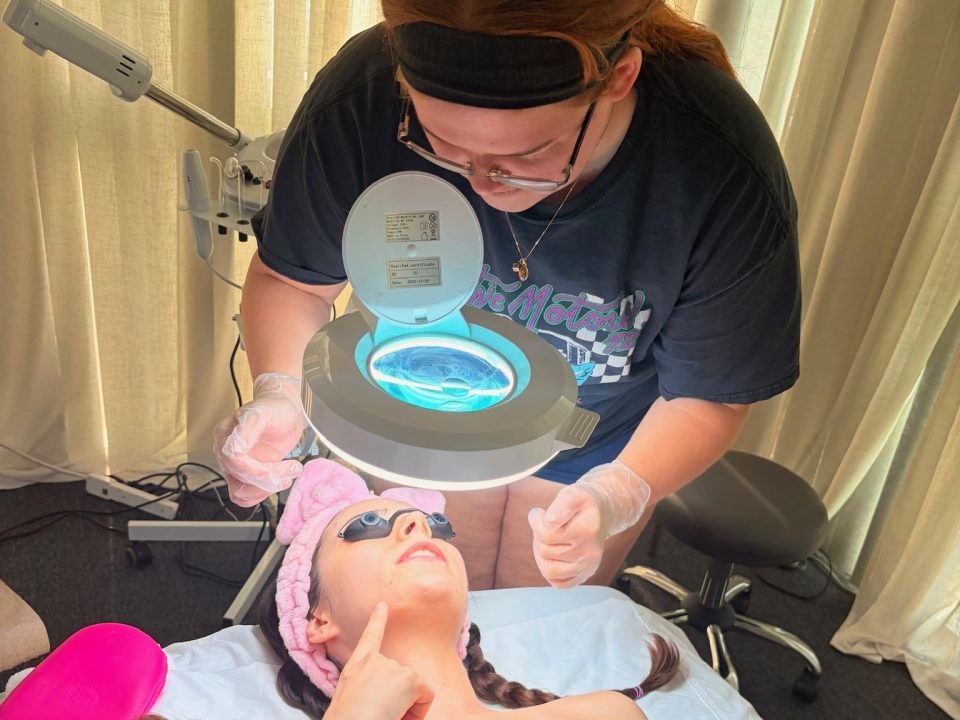
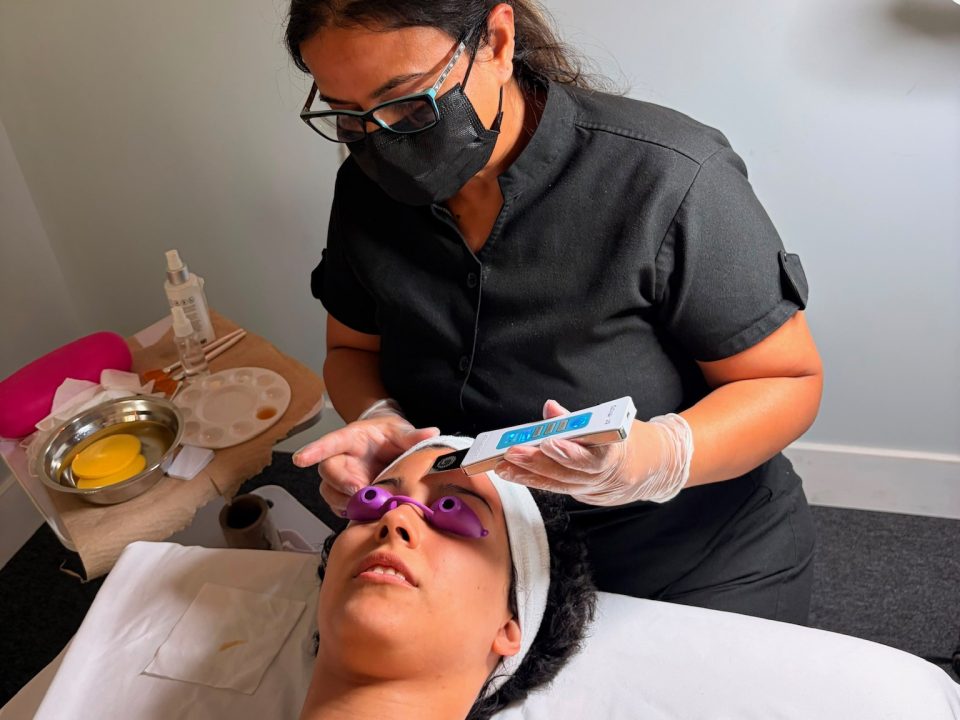
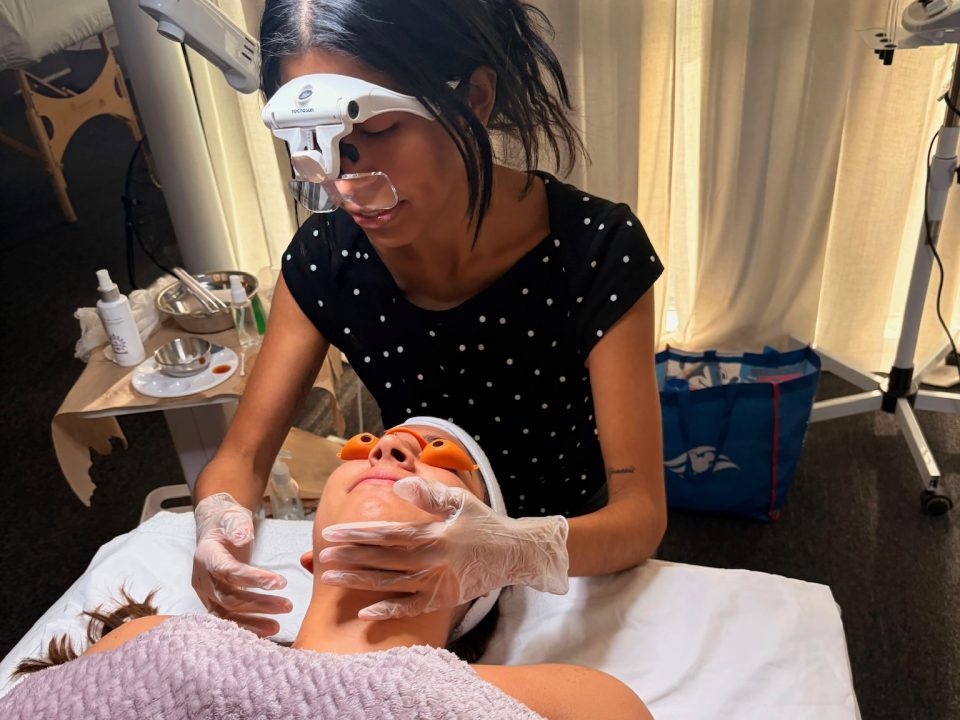
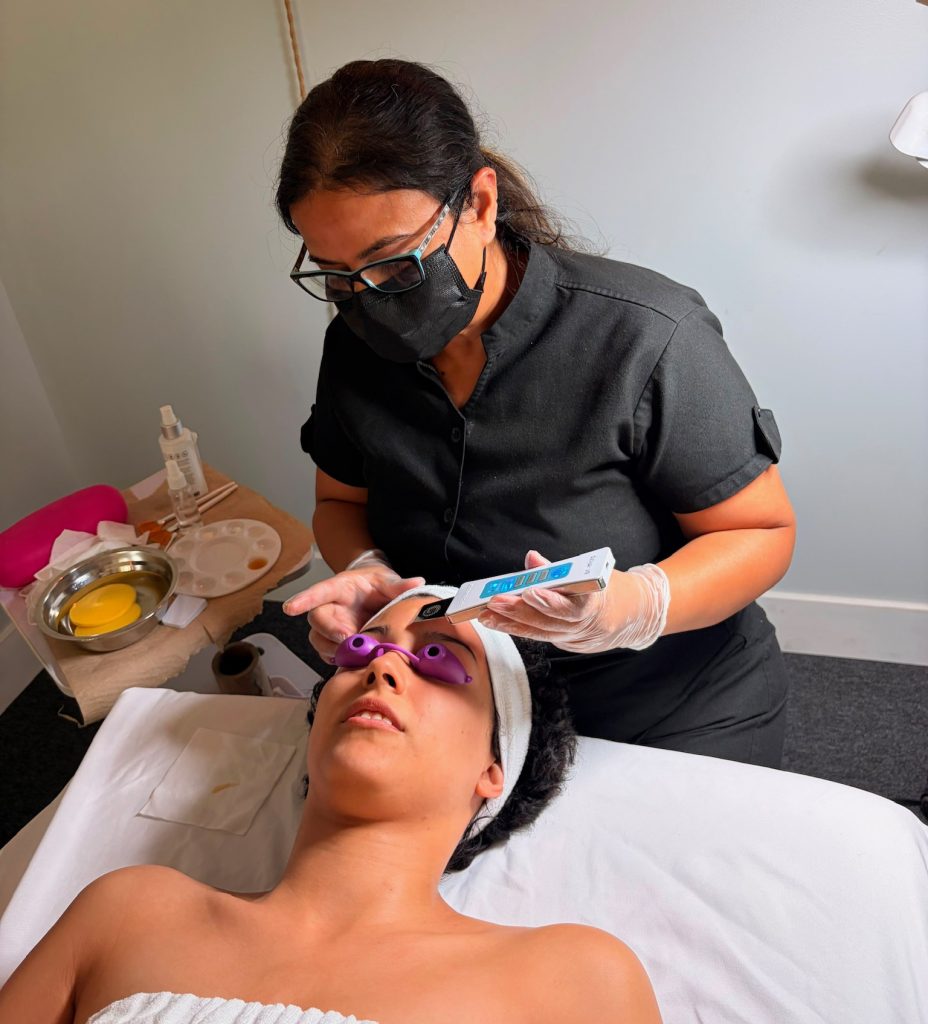
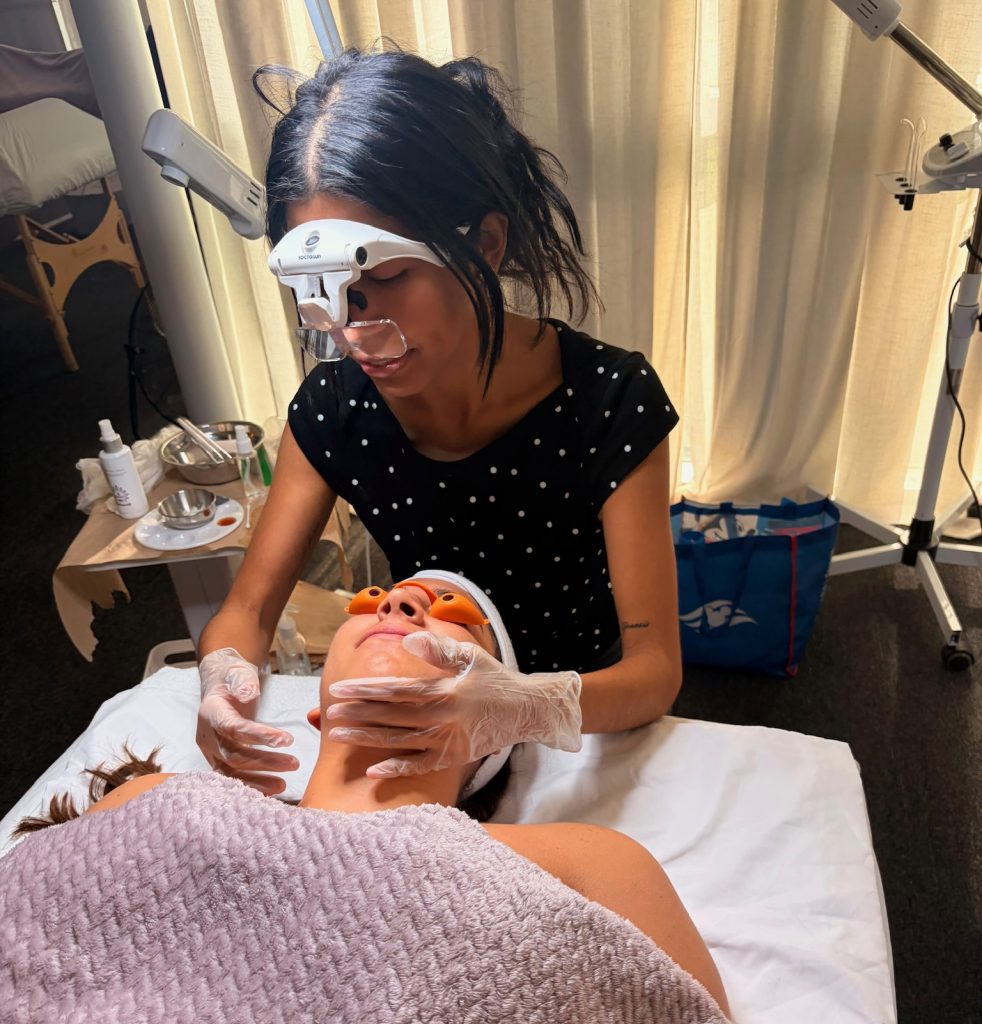
At Orlando Inspirit Esthetics School, students can build their understanding of skincare through hands-on education and professional training. Learning about skin types, ingredients, treatments, sanitation, client care, and proper skincare practices helps future estheticians make informed decisions instead of simply following the latest viral trend.
🧭 Helping Clients Navigate Social Media Skincare
Today’s estheticians may regularly hear questions like:
“Is this TikTok skincare hack safe?”
“Should I try this viral exfoliating routine?”
“Does this influencer’s product actually work?”
These conversations can be opportunities to educate clients.
Rather than simply telling a client that something is “bad,” a knowledgeable esthetician can explain why a particular trend may or may not be appropriate for that person’s skin and help them understand safer alternatives.
📍 The Bottom Line
Social media can be a great place to discover new skincare ideas, but viral does not always mean safe.
The best skincare advice considers the individual, uses reliable information, and respects the health of the skin barrier. Learning how to recognize the difference between a helpful skincare recommendation and a risky trend is an important skill for anyone interested in becoming an esthetician.
If you’re considering a career in skincare, professional education can give you the knowledge and hands-on experience needed to provide clients with informed, responsible skincare guidance.
Interested in becoming an esthetician in Orlando? Orlando Inspirit Esthetics School can help you take the next step toward building your skincare career.