- Have any questions?
- 407-663-0005
- InspiritEsthetics@gmail.com

What Is LED Light Therapy and How Is It Used in Esthetics?

The Role of pH in Skincare: What Every Esthetician Should Understand
November 15, 2026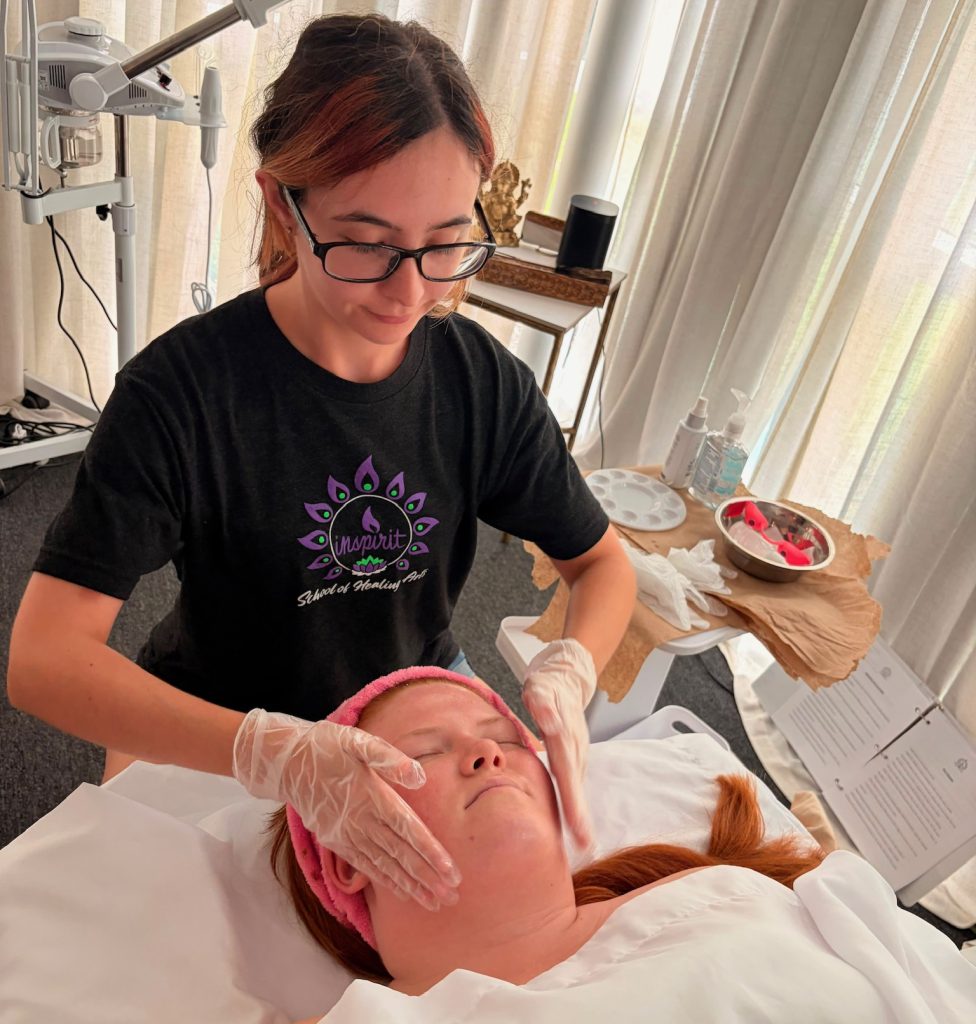
The skincare industry continues to evolve as new technologies offer estheticians more ways to support healthy-looking skin and provide customized facial treatments. One treatment that has become increasingly popular in professional skincare is LED light therapy. Known for its versatility and non-invasive approach, LED light therapy is now commonly incorporated into facials, acne treatments, and anti-aging skincare routines.
For aspiring estheticians, understanding how LED light therapy works, what different light colors are used for, and how to incorporate this technology into professional treatments is an important part of developing modern skincare knowledge.
At Orlando Inspirit Esthetician School, students have the opportunity to build a foundation in skincare techniques and learn about the treatments and technologies that continue to shape the esthetics industry.
What Is LED Light Therapy?
LED light therapy, also known as light-emitting diode therapy, is a non-invasive skincare treatment that uses specific wavelengths of light to target different skin concerns. Unlike some other light-based treatments, LED therapy does not rely on ultraviolet (UV) light and generally does not cause damage to the skin when used correctly.
The treatment works through a process called photobiomodulation, in which skin cells absorb light energy that can influence cellular activity and biological processes. Depending on the wavelength used, LED light therapy may help support the skin’s natural functions, including its healing response and collagen production.
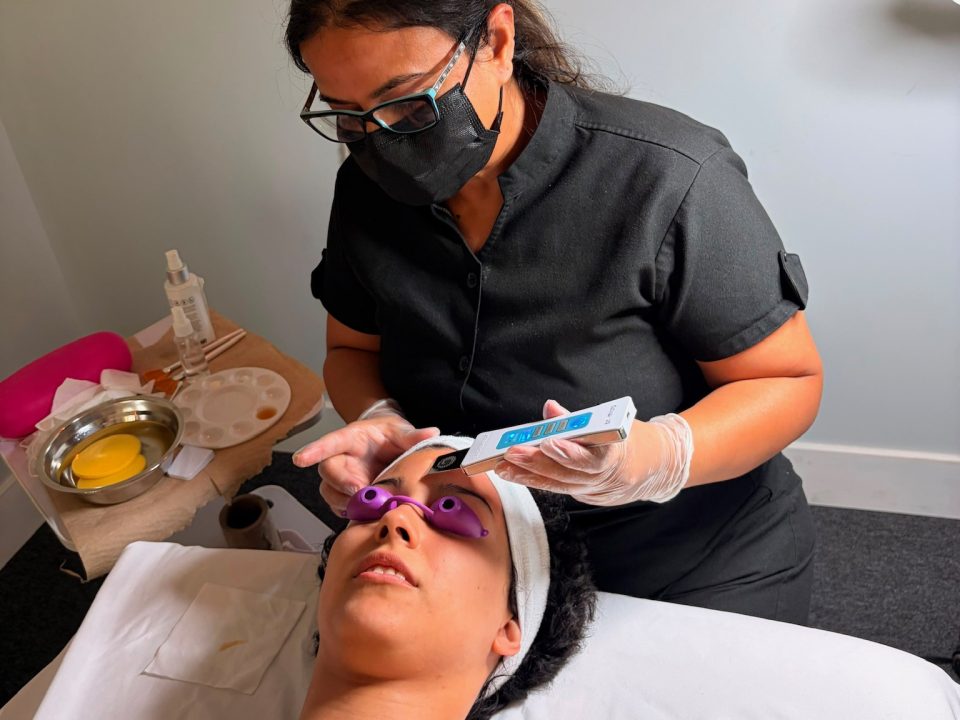
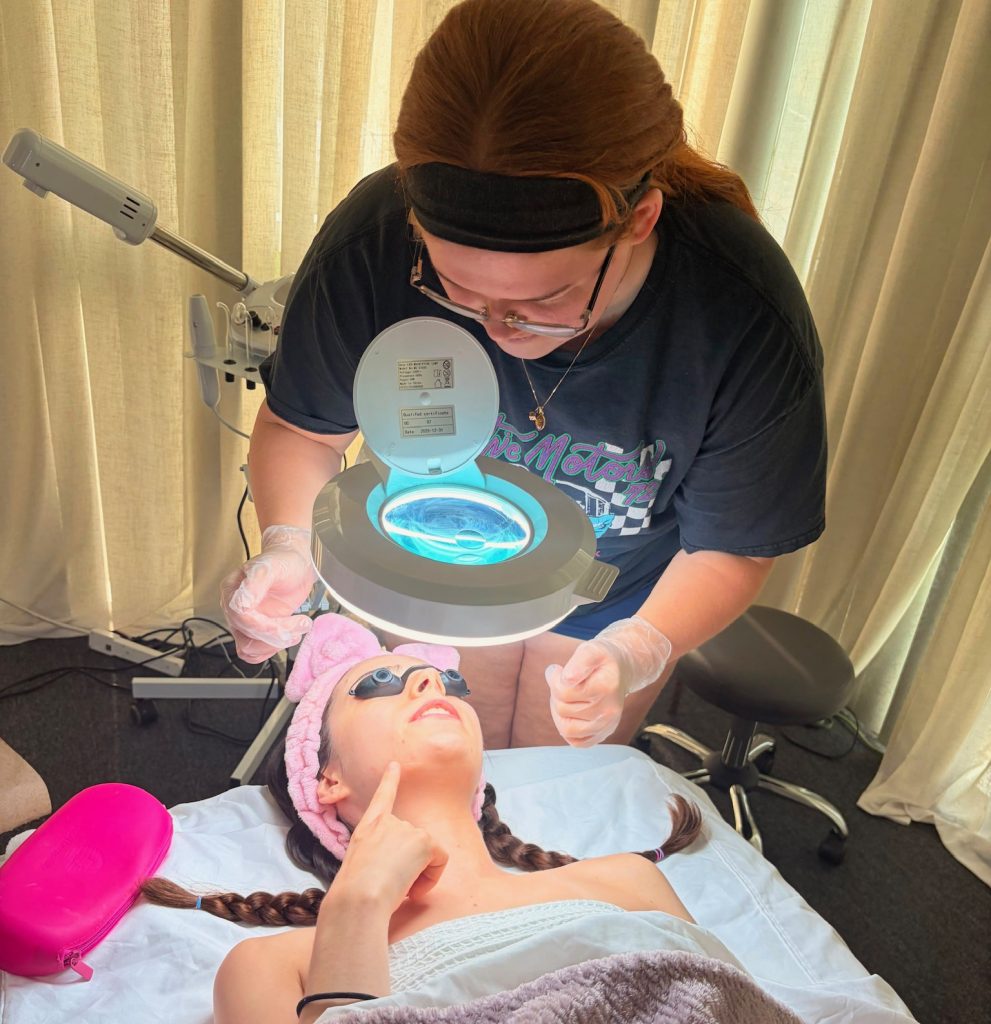
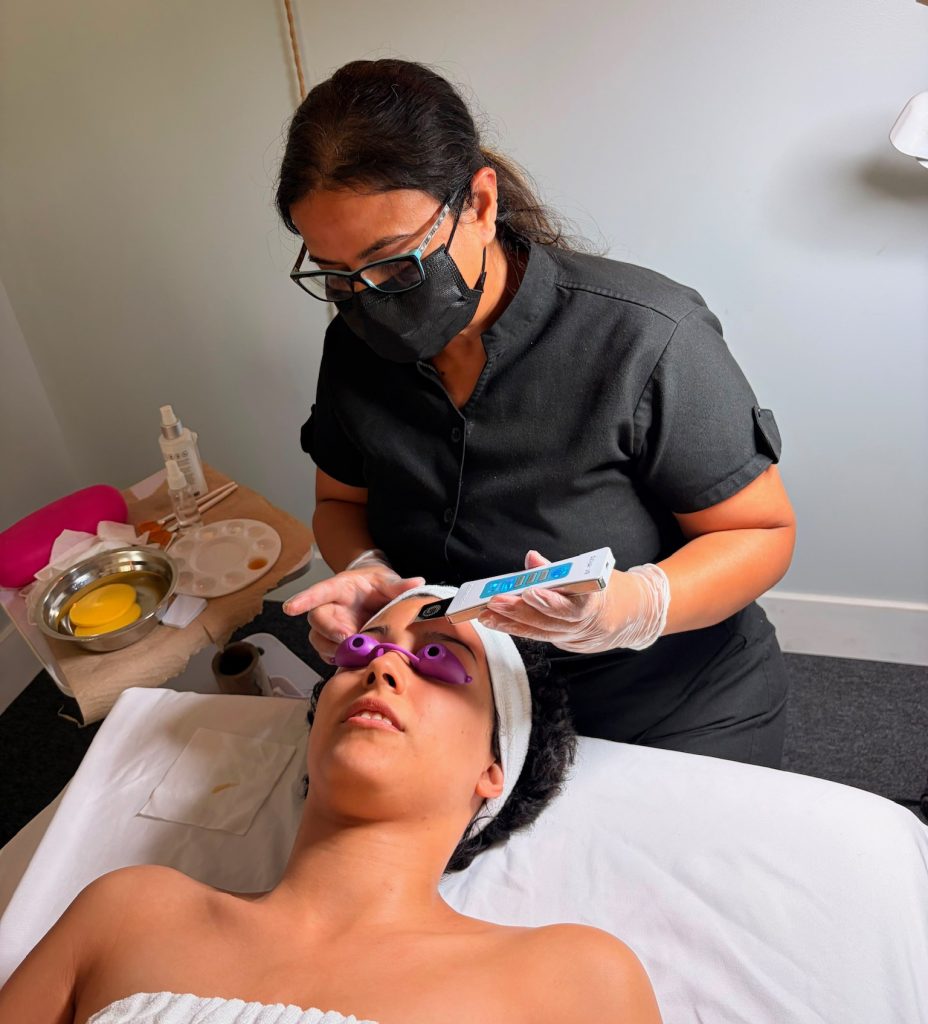
LED treatments are typically performed using specialized devices that emit different colors of light. These devices may be handheld, portable, or designed as larger panels or facial masks that cover the treatment area.
Because LED light therapy is gentle and does not require significant downtime, it has become a popular addition to professional facial services.
What Are the Different Colors of LED Light Therapy?
One of the most interesting aspects of LED light therapy is that different wavelengths of light are associated with different skincare applications. Understanding these differences helps estheticians select treatments based on a client’s skin concerns and overall skincare goals.
1. Red Light Therapy
Red LED light is commonly used in anti-aging skincare treatments. It penetrates deeper than blue light and is associated with supporting cellular activity involved in collagen and elastin production.
Potential benefits include:
- Supporting the appearance of firmer skin.
- Helping soften the appearance of fine lines and wrinkles.
- Improving the appearance of uneven skin texture.
- Supporting the skin’s natural recovery processes.
Red light therapy is frequently incorporated into facial treatments designed for clients concerned with visible signs of aging.
2. Blue Light Therapy
Blue LED light is commonly used for acne-prone skin. It targets certain acne-associated bacteria, particularly Cutibacterium acnes, which can contribute to inflammatory acne.
Potential benefits include:
- Helping reduce acne-associated bacteria.
- Supporting the management of mild to moderate inflammatory acne.
- Helping improve the appearance of acne-prone skin.
Blue light therapy is often included in acne-focused facial treatments. However, it is important for estheticians to understand that LED therapy is not a replacement for a complete acne treatment plan or medical care when necessary.
3. Near-Infrared Light Therapy
Near-infrared light is invisible to the human eye and can penetrate deeper into tissue than visible red light. It is commonly used alongside red LED light in professional skincare devices.
Depending on the device and treatment protocol, near-infrared light may support cellular activity and the skin’s natural recovery processes.
It is important to remember that different devices use different wavelengths and treatment settings, so estheticians should always follow manufacturer instructions and appropriate training guidelines.
4. Yellow or Amber Light Therapy
Yellow or amber LED light is sometimes used in professional skincare treatments focused on improving the appearance of redness and uneven skin tone.
It is marketed for concerns such as:
- The appearance of redness.
- Uneven-looking skin tone.
- Dull or tired-looking skin.
However, the scientific evidence supporting some of these specific benefits is still developing, and results can vary depending on the device and individual.
What Happens During an LED Light Therapy Facial?
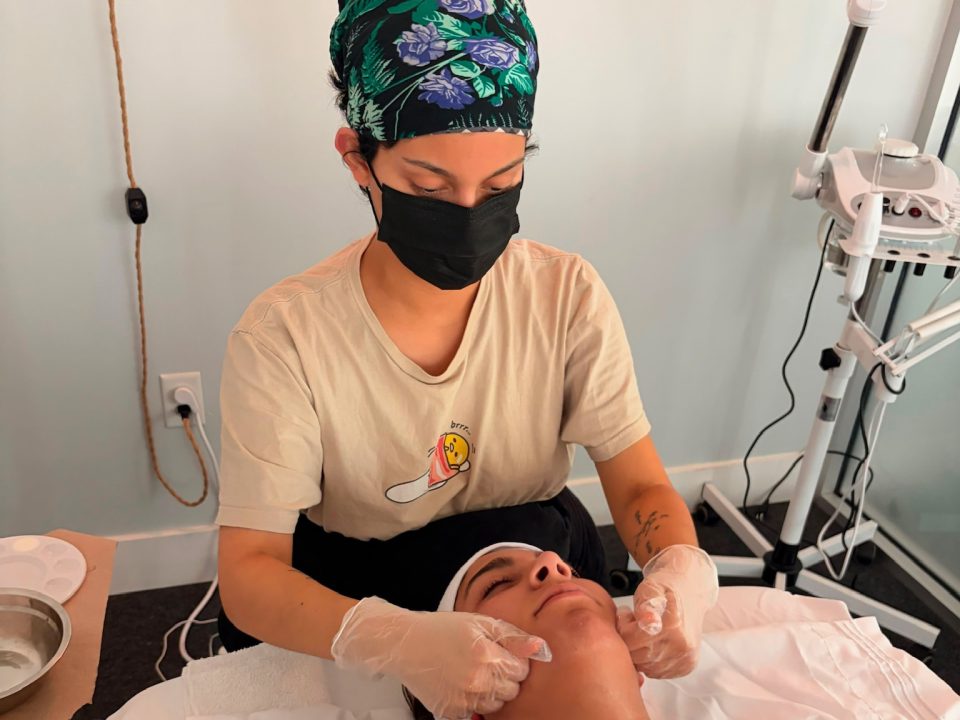
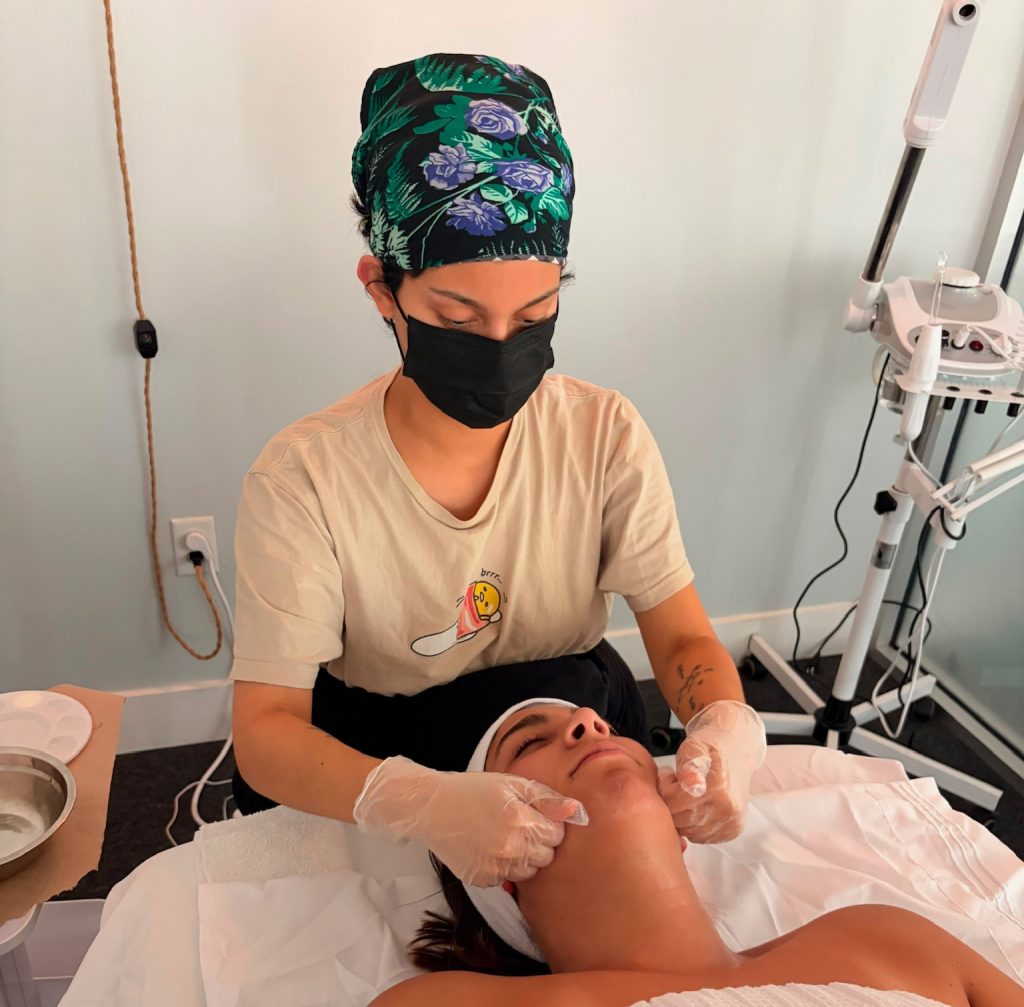
LED light therapy is often added to an existing facial rather than performed as a completely separate skincare service. The exact process depends on the client’s skin, treatment goals, and the device being used.
A typical LED facial may include the following steps:
1. Skin Consultation: Before beginning, the esthetician evaluates the client’s skin, discusses their concerns, reviews relevant health information, and determines whether LED therapy is appropriate.
2. Skin Cleansing: The face is thoroughly cleansed to remove makeup, oil, sunscreen, and other surface impurities.
3. Skin Preparation: Depending on the treatment protocol, the esthetician may perform additional facial steps before LED therapy. The skin should be prepared according to the device manufacturer’s instructions.
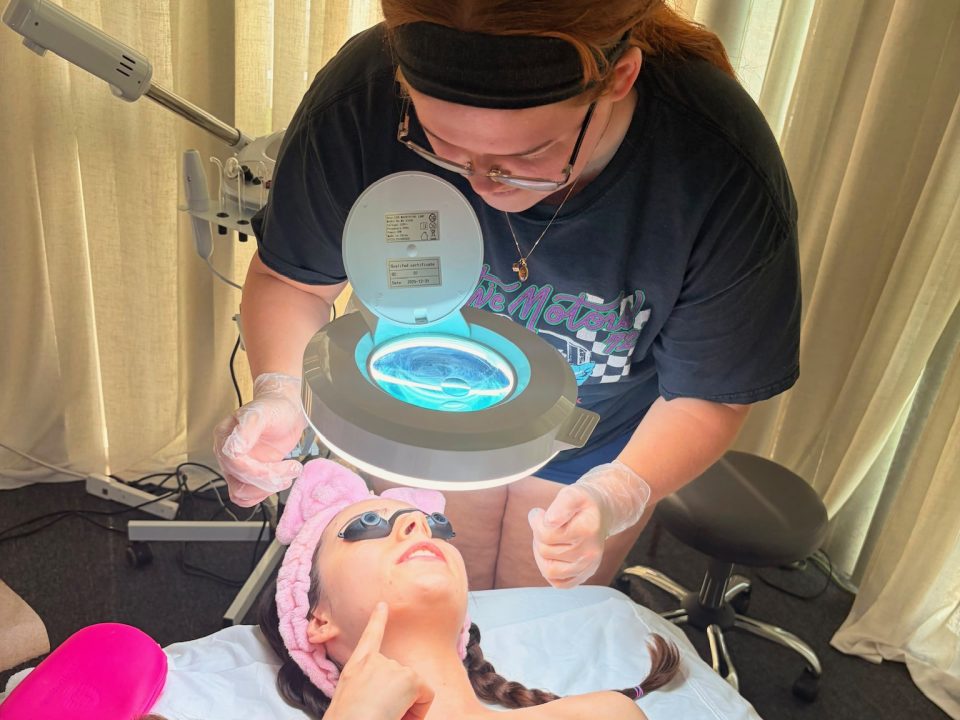
4. LED Treatment: The client is positioned comfortably while the LED device is placed at the recommended distance or position. The appropriate wavelength and treatment duration are selected based on the device instructions and treatment goals. Proper eye protection is used whenever required.
5. Finishing Products: After the LED session, the esthetician may apply appropriate serums, moisturizers, and sunscreen to complete the facial.
The entire treatment time varies depending on the equipment and whether LED therapy is combined with other facial services.
Who Can Benefit From LED Light Therapy?
LED light therapy can be a useful addition to professional skincare treatments for clients with different skin concerns. It is commonly considered for individuals interested in addressing:
- Mild to moderate inflammatory acne.
- Fine lines and visible signs of aging.
- Uneven-looking skin texture.
- Dull or tired-looking skin.
- General skin maintenance and rejuvenation.
However, not every client is automatically a suitable candidate. Estheticians should review relevant health information, consider photosensitivity concerns and medications, and follow device-specific contraindications before performing treatment.
Clients with certain medical conditions, active skin infections, or medications that increase light sensitivity may require additional evaluation or medical clearance. Eye protection and proper device settings are also essential.
When a skin concern falls outside an esthetician’s scope of practice, referral to a qualified healthcare professional is the appropriate next step.
How Often Should Clients Receive LED Light Therapy?
The recommended frequency of LED light therapy depends on the device, wavelength, treatment goals, and individual skin condition.
Some professional protocols recommend multiple sessions per week during an initial treatment period, followed by maintenance sessions. However, there is no universal schedule that works for every client or device.
Estheticians should never assume that longer or more frequent treatments automatically produce better results. Following manufacturer guidelines and monitoring how the client’s skin responds are essential parts of providing responsible skincare services.
Consistency is often important when evaluating results, and clients should understand that LED light therapy typically requires multiple treatments rather than producing dramatic changes after a single session.
Why Is LED Light Therapy Important for Estheticians to Understand?
As skincare technology continues to advance, estheticians are expected to understand more than traditional cleansing, exfoliation, and moisturizing techniques. Familiarity with modern facial equipment can help professionals offer more customized treatments and communicate confidently with clients.
Understanding LED light therapy allows estheticians to:
- Recognize different wavelengths and their skincare applications.
- Identify appropriate treatment candidates.
- Understand contraindications and safety precautions.
- Incorporate technology into customized facial protocols.
- Educate clients about realistic expectations and treatment consistency.
It also reinforces the importance of continuing education. Professional estheticians must stay informed about new skincare developments while understanding the difference between treatments supported by research and benefits that are still being studied.
Learn Modern Skincare Techniques at Orlando Inspirit Esthetician School
LED light therapy is a great example of how technology continues to influence the esthetics industry. From acne-focused treatments to anti-aging facials, understanding how professional skincare equipment works can help estheticians expand their knowledge and better serve their clients.
For anyone interested in becoming an esthetician in Orlando, developing a strong foundation in skincare science, facial techniques, sanitation, and client care is an important first step toward a successful career.
At Orlando Inspirit Esthetician School, students have the opportunity to develop practical esthetics skills and gain the knowledge needed to enter the professional beauty industry with confidence. Whether your goal is to work in a spa, pursue advanced skincare opportunities, or eventually build your own skincare business, a quality esthetics education can help you get started.
Interested in becoming an esthetician? Explore the programs at Orlando Inspirit Esthetician School and take the first step toward turning your passion for skincare into a career.