- Have any questions?
- 407-663-0005
- InspiritEsthetics@gmail.com

Medical Grade vs. Spa Grade Skincare: What’s the Difference?

Best Career Paths for Estheticians in Orlando’s Beauty & Spa Industry
August 28, 2026
How to Create a Professional Esthetician Portfolio
September 13, 2026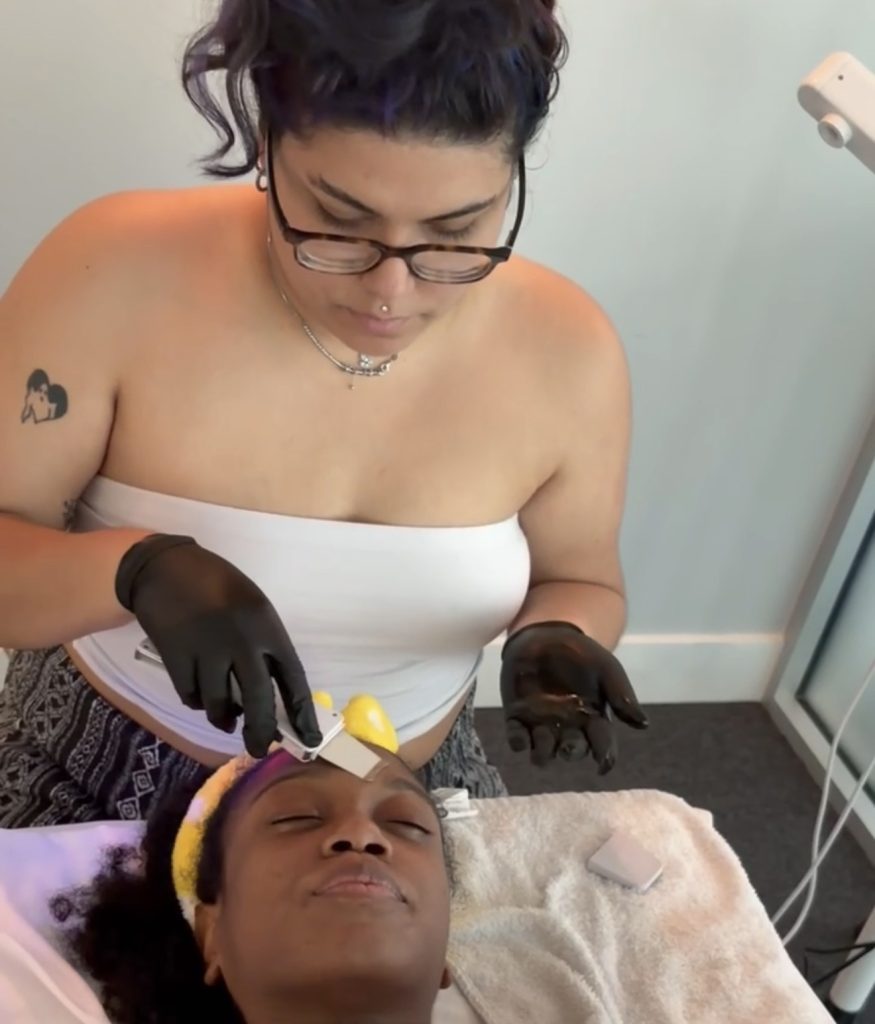
If you’ve ever walked into a skincare store, visited a spa, or talked with a skincare professional, you may have heard the terms medical grade skincare and spa grade skincare. But what do these terms actually mean, and is one automatically better than the other?
The answer isn’t quite that simple.
Understanding the differences between professional skincare products and products commonly used in spas can help estheticians make more informed recommendations for their clients. It can also help skincare clients understand why certain products are selected for different skin types and concerns.
What Is Spa Grade Skincare?
Spa grade skincare generally refers to products used by estheticians and skincare professionals in spas, salons, and facial studios.
These products are often designed to support common skincare goals such as:
- Hydration
- Exfoliation
- Smoother-looking skin
- Improving the appearance of dullness
- Supporting the skin barrier
- Maintaining healthy-looking skin
Spa products can include cleansers, exfoliants, masks, serums, moisturizers, and other products used during professional facial treatments or recommended for home care.
The exact products and ingredients vary widely between brands.
What Is Medical Grade Skincare?
Medical grade skincare is a term commonly used by brands and providers for products positioned for use in medical or clinical skincare settings, often alongside services provided by dermatologists, physicians, or medical aesthetics practices.
These products may contain higher concentrations of certain active ingredients or be formulated with specific treatment goals in mind.
However, it’s important to understand that “medical grade” is not a standardized FDA classification for skincare products. The term is often used as a marketing or industry term rather than an official guarantee that a product is stronger or more effective.
The ingredients, formulation, concentration, and intended use are more important than the label alone.
Is Medical Grade Skincare Stronger?
Not necessarily.
One of the biggest misconceptions about medical grade skincare is that it is automatically stronger or better than spa grade skincare.
A product’s effectiveness depends on many factors, including its active ingredients, formulation, concentration, stability, how it is used, and whether it is appropriate for the person’s skin.
For example, a gentle professional moisturizer may be a better choice for someone with a compromised skin barrier than an aggressive product with multiple active ingredients.
More intense does not always mean better.
How Estheticians Use Professional Skincare
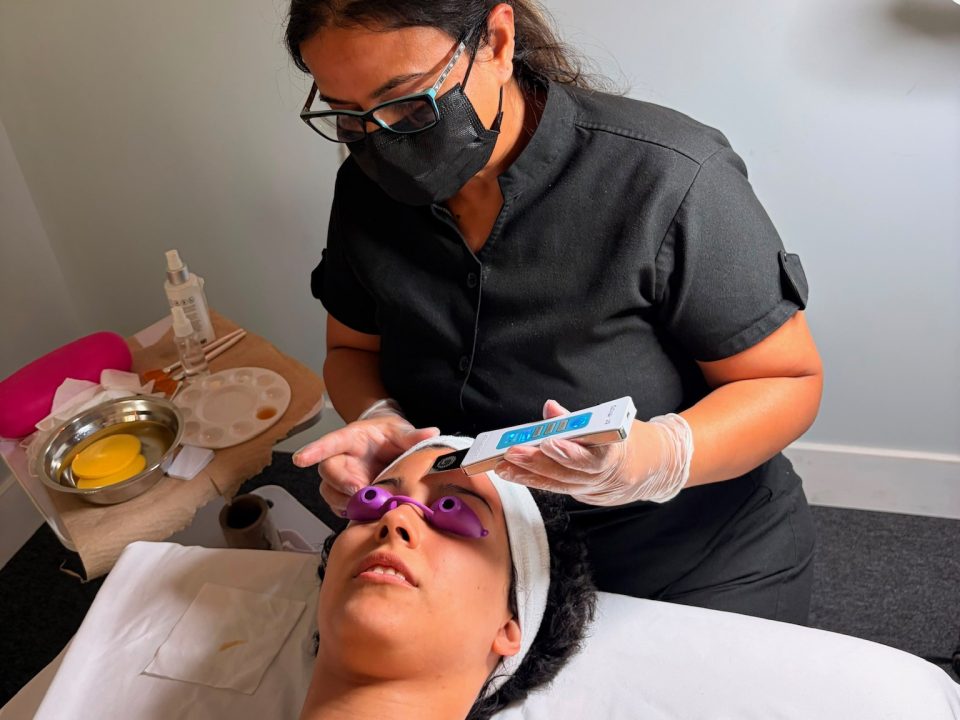
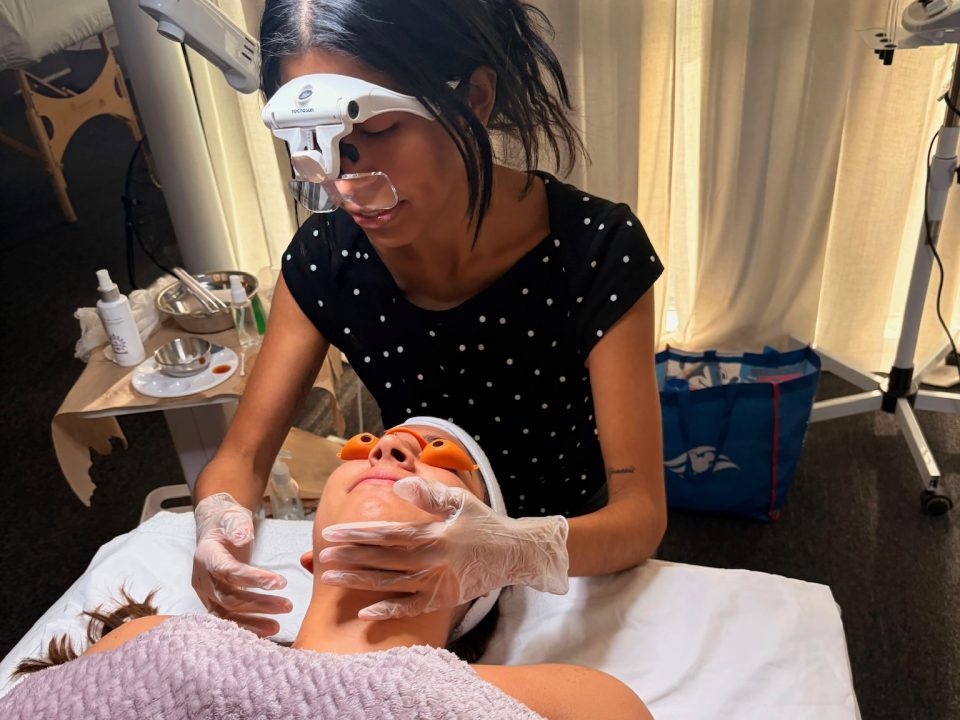
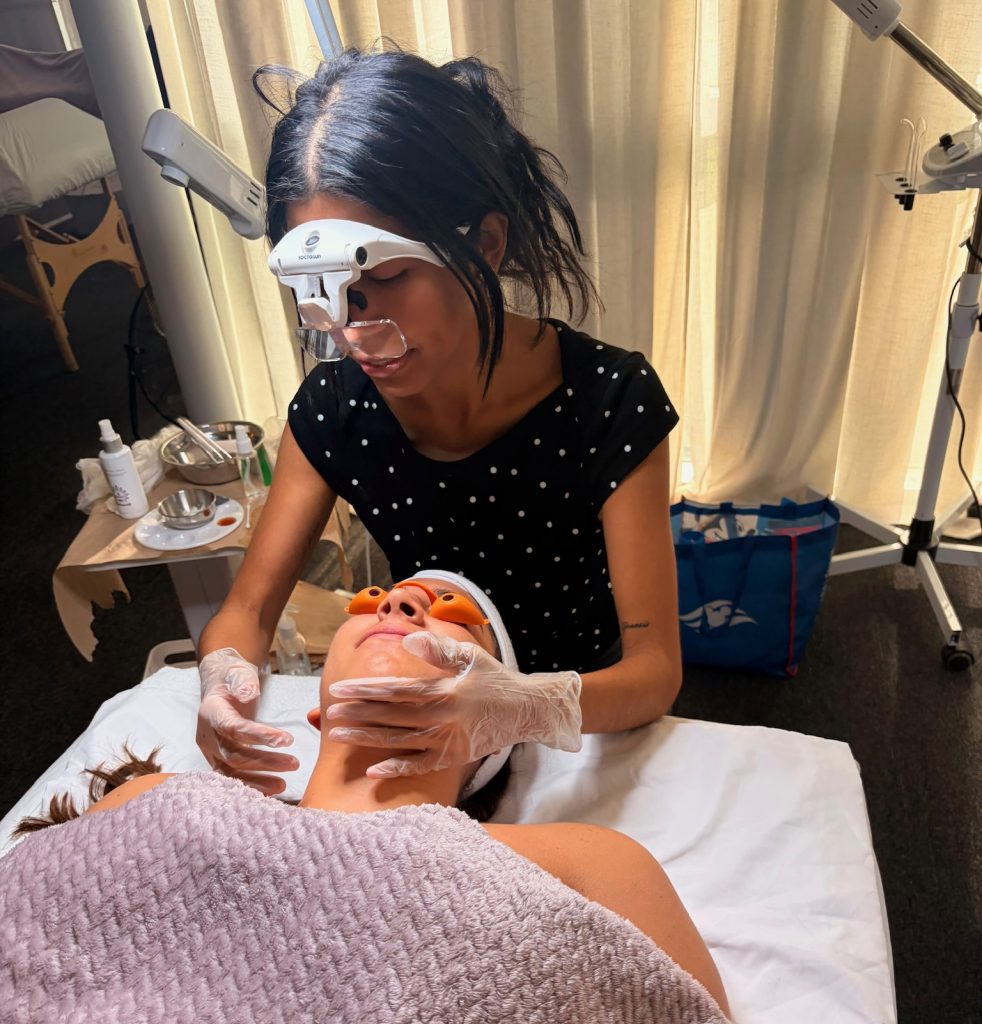
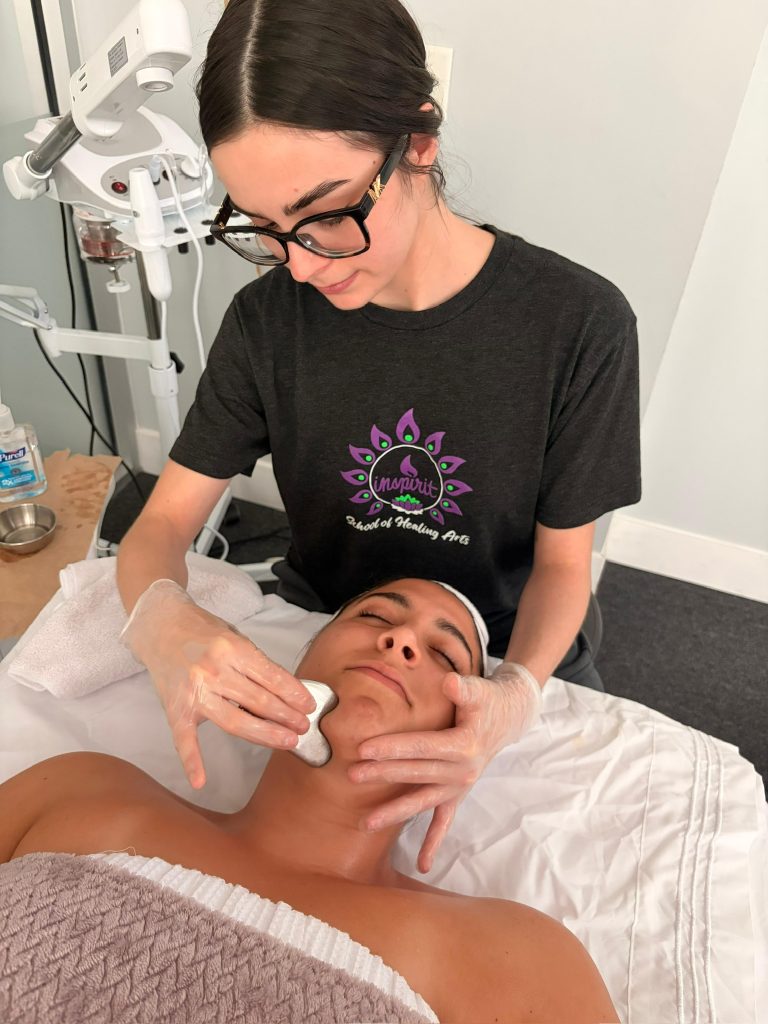
Estheticians are trained to understand skin types, skin conditions, ingredients, product application, and professional skincare treatments within their scope of practice.
During a facial, an esthetician may select products based on the client’s current skin needs rather than simply choosing the most expensive or most concentrated option.
This is where education matters.
A good skincare professional considers factors such as:
- Skin type
- Skin sensitivity
- Current skincare routine
- Lifestyle
- Environmental factors
- Client concerns
- Product ingredients
- Potential irritation
- Appropriate treatment frequency
Personalized skincare is about finding the right approach for the individual client.
Professional Skincare vs. Over-the-Counter Products
Another common misconception is that professional skincare products are always completely different from products available to consumers.
In reality, there is a wide range of skincare available through spas, salons, dermatology offices, beauty retailers, and everyday stores.
The difference isn’t always simply where a product is sold.
Ingredients and formulation matter much more than a product’s location on a shelf.
Some over-the-counter products can be excellent additions to a skincare routine, while professional products may offer specialized formulations or ingredients designed for specific skincare goals.
Why Ingredients Matter More Than the Label
When evaluating a skincare product, it’s helpful to look beyond terms such as “medical grade,” “professional grade,” or “spa grade.”
Instead, learn to pay attention to the ingredients and what they are intended to do.
Common skincare ingredients include:
Hyaluronic acid: Often used to help attract and retain moisture in the skin.
Niacinamide: A form of vitamin B3 commonly used in skincare formulas designed to support the skin barrier and improve the appearance of uneven skin tone.
Retinoids: Vitamin A derivatives used for a variety of skin concerns. Some forms are available over the counter, while stronger prescription retinoids require medical supervision.
Alpha hydroxy acids (AHAs): Exfoliating ingredients such as glycolic and lactic acid that can help improve the appearance and texture of the skin.
Salicylic acid: A beta hydroxy acid commonly used in products designed for oily or blemish-prone skin.
Understanding ingredients gives estheticians a much stronger foundation for making thoughtful product recommendations.
When Should a Client See a Medical Professional?
Estheticians play an important role in helping clients care for their skin, but they also need to understand the limits of their professional scope.
Certain concerns may require evaluation or treatment by a dermatologist or other qualified medical professional. These can include suspicious skin growths, persistent or severe acne, infections, significant inflammation, or other medical skin conditions.
Knowing when to refer a client to a medical professional is an important part of being a responsible esthetician.
Why Skincare Education Matters for Future Estheticians
Learning about skincare products isn’t just about memorizing ingredient names.
Future estheticians need to understand how products are formulated, how ingredients interact with the skin, how to recognize potential sensitivities, and how to choose treatments appropriate for their clients.
They also need to understand that every client’s skin is different.
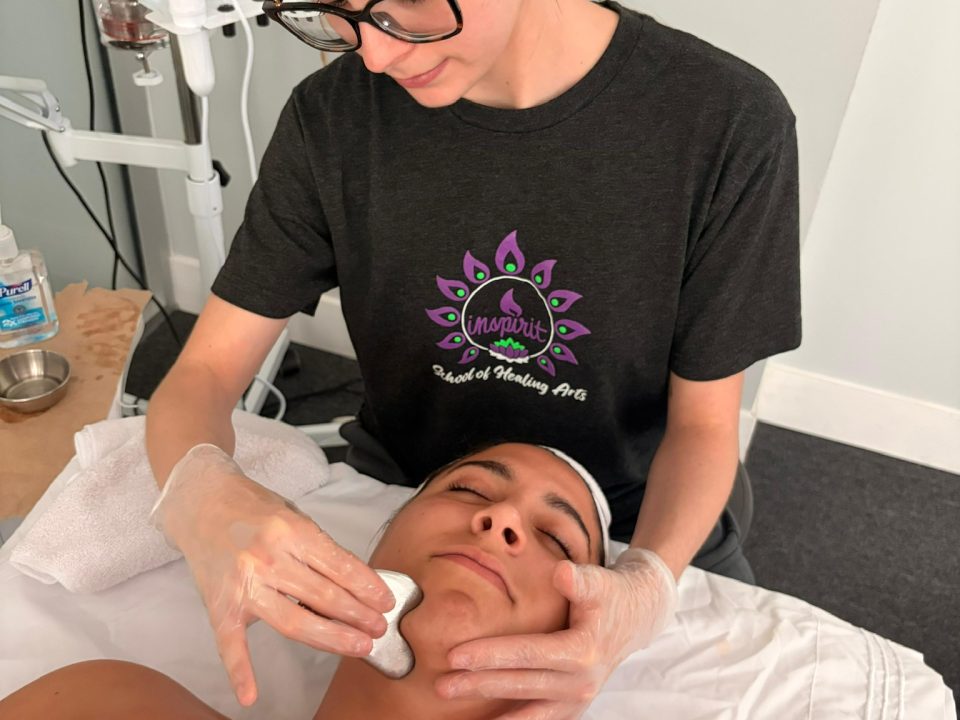
At Orlando Inspirit Esthetics School, students can develop foundational knowledge and hands-on skills that help prepare them for careers in the esthetics industry.
The more you understand about professional skincare, the easier it becomes to look past marketing terms and focus on what really matters: the client’s skin, their goals, and the safest appropriate approach.
The Bottom Line
So, what’s the difference between medical grade and spa grade skincare?
The biggest takeaway is that the label doesn’t tell the whole story.
Medical grade skincare is commonly associated with clinical or medical aesthetics settings, while spa grade skincare is commonly used in professional spa and esthetics environments. However, neither label automatically means a product is better.
For estheticians, understanding ingredients, formulations, skin needs, professional boundaries, and client education is far more valuable than simply knowing which products carry a particular label.
Great skincare starts with knowledge. And for aspiring estheticians, that knowledge begins with a strong education.