- Have any questions?
- 407-663-0005
- InspiritEsthetics@gmail.com

Chemical Peels Basics: What Every Beginner Should Know

Why Extractions Should Always Be Done by a Professional
January 21, 2026
Gua Sha 101: The Ancient Secret to Sculpted, Glowing Skin
March 17, 2026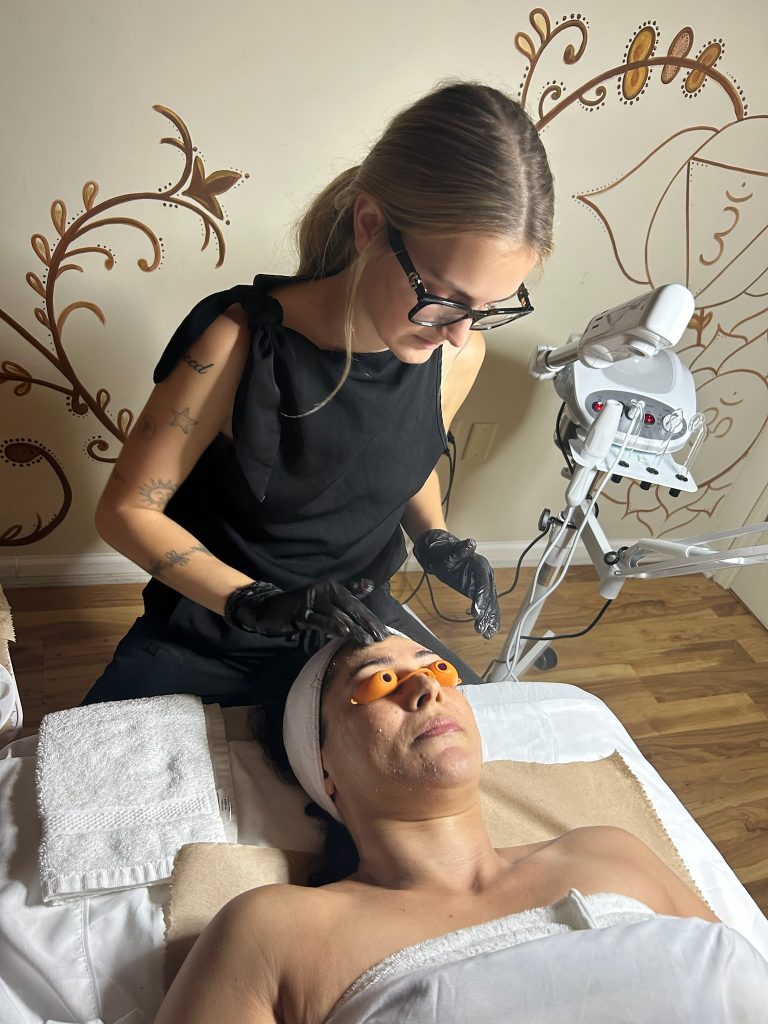
Chemical peels are one of the most popular professional skin treatments—and for good reason. They can dramatically improve skin texture, tone, and clarity when performed correctly. If you’re new to skincare treatments or considering training in chemical peels, understanding the basics is essential for safety, results, and client satisfaction.
What Is a Chemical Peel?
A chemical peel is a professional exfoliation treatment that uses a chemical solution to remove dead skin cells from the surface of the skin, encouraging cell renewal and revealing fresher, smoother skin underneath. Chemical peels can help improve a wide range of skin concerns, from dullness and congestion to pigmentation and fine lines.
How Do Chemical Peels Work?
Chemical peels work by breaking down the bonds between dead skin cells, allowing them to shed more effectively. This process stimulates cell turnover and can boost collagen production over time, leading to healthier-looking skin. The depth and strength of the peel determine how much exfoliation occurs.
Types of Chemical Peels
As a beginner, it’s important to understand the different levels of chemical peels:
-
Superficial peels: Target the outermost layer of skin and are ideal for beginners and first-time clients
-
Medium-depth peels: Penetrate deeper to address pigmentation, acne scarring, and fine lines
-
Deep peels: Advanced treatments that require medical supervision and longer recovery time
Most beginner courses focus on superficial peels, which are safe, effective, and suitable for a wide range of skin types.
Common Ingredients Used in Chemical Peels
Some of the most common beginner-friendly chemical peel ingredients include:
-
Glycolic acid
-
Lactic acid
-
Mandelic acid
-
Salicylic acid
Each acid has different benefits and is suited to specific skin types and concerns.
Skin Types and Contraindications
Not every client is suitable for a chemical peel. Beginners must learn how to assess skin types and identify contraindications such as active infections, compromised skin barriers, pregnancy, or certain medications. A thorough consultation is essential before performing any chemical peel treatment.
Benefits of Chemical Peels
When performed correctly, chemical peels can:
-
Improve skin texture and smoothness
-
Brighten dull or uneven skin tone
-
Reduce congestion and breakouts
-
Minimise the appearance of fine lines and pigmentation
-
Enhance the effectiveness of skincare products
Pre- and Post-Treatment Care
Proper preparation and aftercare are crucial to achieving safe and effective results. Clients may need to avoid active ingredients before treatment and follow strict aftercare advice, including sun protection and gentle skincare, after the peel.
Why Training Matters
For beginners, professional training in chemical peels is essential. Learning correct product selection, application techniques, timing, and safety protocols helps minimise risks and ensures confident, professional results.
Final Thoughts
Chemical peels are a powerful and versatile treatment, but success starts with understanding the basics. With the right knowledge, training, and precautions, beginners can safely introduce chemical peels into their treatment offerings and deliver visible, long-lasting skin improvements.