- Have any questions?
- 407-663-0005
- InspiritEsthetics@gmail.com

Benefits of Regular Facials: What the Science Says

Holistic Skincare: Supporting the Skin Through Mind, Body, and Spirit
December 16, 2025
How to Build a Skincare Routine on Any Budget
January 6, 2026
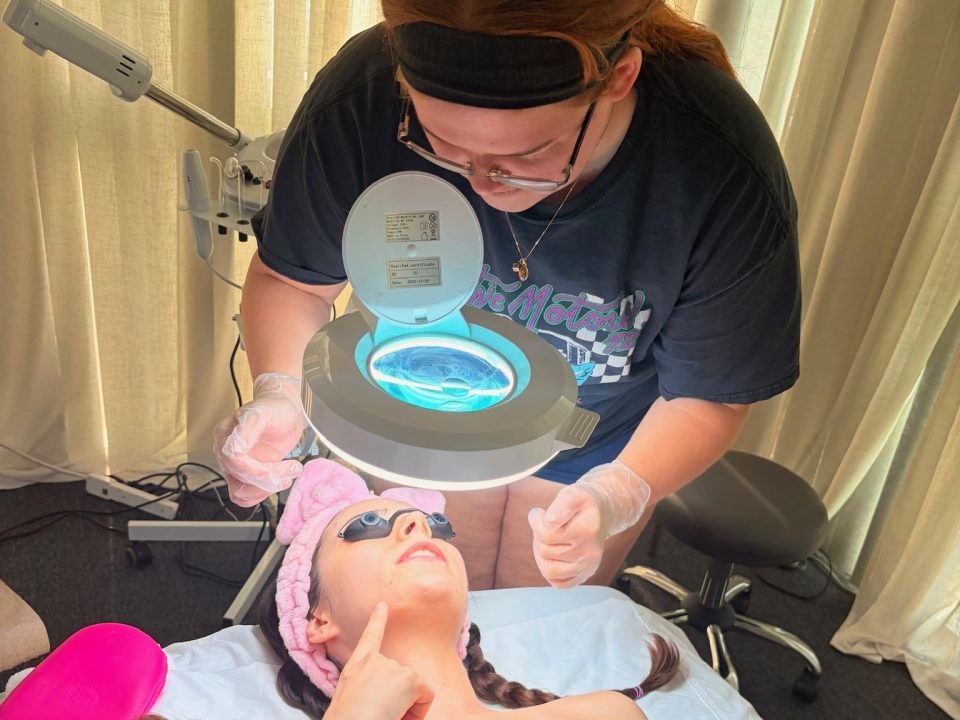
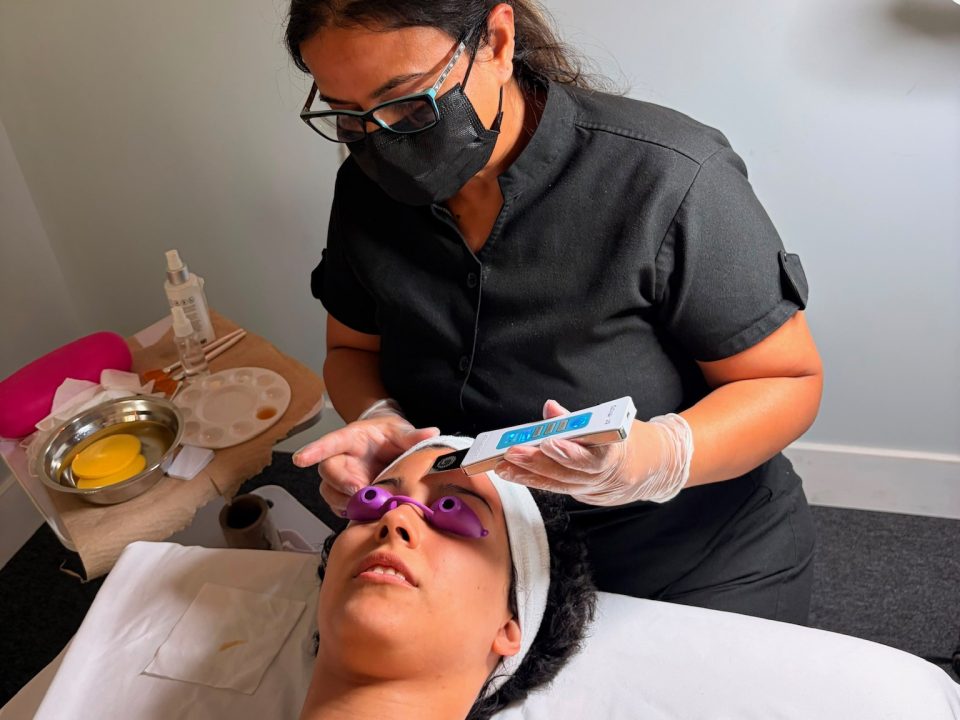
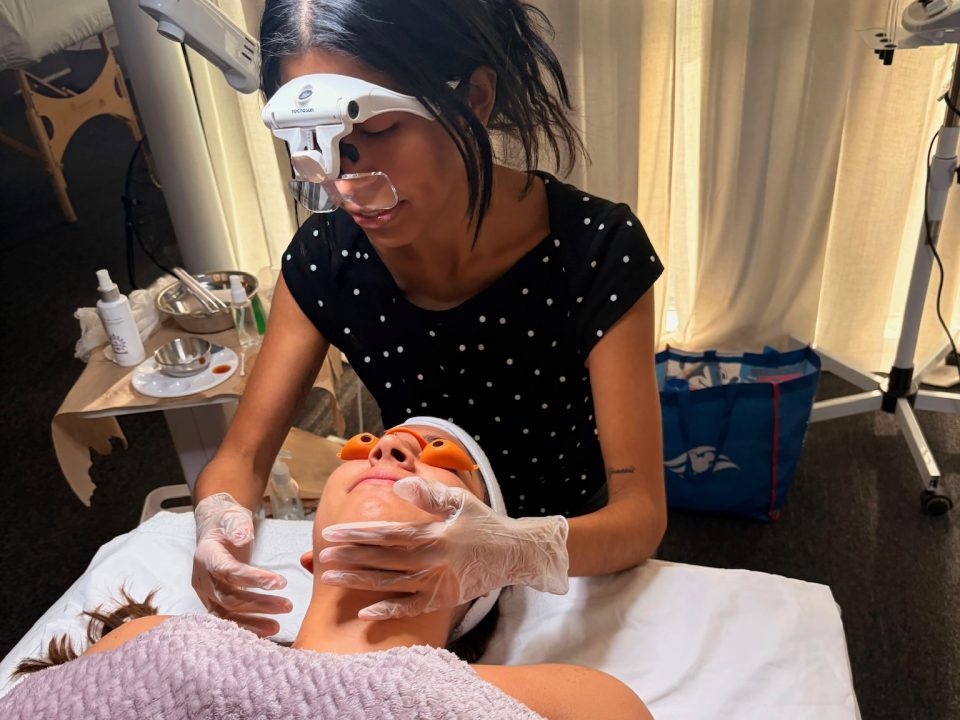
In the age of skincare trends and viral routines, regular facials continue to stand the test of time. Beyond luxury and relaxation, modern dermatological research shows that facials can play a meaningful role in maintaining healthy, resilient skin. But what exactly does science say about their benefits?
Let’s explore the evidence-based advantages of regular facials and why they can be a smart addition to your skincare routine.
1. Improved Skin Cell Turnover
Our skin naturally sheds dead cells, but this process slows down with age and environmental stress. Professional facials often include exfoliation techniques—such as chemical exfoliants (AHAs, BHAs) or enzymatic treatments—that help accelerate cell turnover.
Scientific insight:
Studies show that controlled exfoliation promotes epidermal renewal, improves skin texture, and enhances brightness by encouraging new skin cell production.
2. Deep Cleansing and Pore Health
Daily cleansing removes surface debris, but facials go deeper. Steam, extraction, and professional-grade cleansers help remove sebum, pollutants, and clogged pores more effectively than at-home routines.
What research indicates:
Clogged pores and excess oil contribute to acne and inflammation. Professional deep cleansing reduces comedones and supports healthier follicular function, particularly for acne-prone skin.
3. Enhanced Blood Circulation
Facial massage—an essential part of most treatments—stimulates microcirculation in the skin.
Scientific benefit:
Improved blood flow increases oxygen and nutrient delivery to skin cells while helping remove metabolic waste. This contributes to a healthier complexion and that post-facial glow.
4. Increased Collagen Stimulation
As we age, collagen production naturally declines, leading to fine lines and loss of firmness. Certain facial techniques—such as massage, microcurrent, or LED light therapy—help stimulate fibroblasts responsible for collagen synthesis.
What science says:
Research shows that mechanical stimulation and light-based therapies can encourage collagen production, improving skin elasticity and firmness over time.
5. Better Absorption of Skincare Products
One of the most overlooked benefits of regular facials is how they enhance product penetration.
Why this matters:
After exfoliation and hydration, the skin barrier is temporarily more receptive. Studies confirm that active ingredients—like antioxidants, peptides, and hyaluronic acid—absorb more effectively when the skin is properly prepped.
6. Reduced Stress and Inflammation
Chronic stress increases cortisol levels, which can worsen acne, eczema, and premature aging. Facials provide both physical and psychological benefits.
Scientific connection:
Clinical research links relaxation therapies with reduced inflammation markers and improved skin barrier function. Facial treatments activate the parasympathetic nervous system, promoting overall skin health.
7. Long-Term Skin Health and Prevention
Regular facials aren’t just corrective—they’re preventative. Consistent professional treatments help identify early skin issues such as dehydration, sun damage, or sensitivity before they worsen.
Dermatological consensus:
Preventative skincare supported by professional treatments leads to healthier skin aging and reduced reliance on aggressive interventions later in life.
Final Thoughts: Are Regular Facials Worth It?
Science supports what skincare professionals have long known: regular facials do more than improve appearance—they support skin function, resilience, and overall health. When combined with a personalized at-home routine and sun protection, facials can significantly enhance your skin’s longevity.
For best results, dermatologists recommend scheduling facials every 4–6 weeks, aligned with your skin’s natural renewal cycle.