- Have any questions?
- 407-663-0005
- InspiritEsthetics@gmail.com
Top Services Estheticians Can Offer Right After School

Lymphatic Drainage Massage for the Face: A Complete Guide
October 18, 2026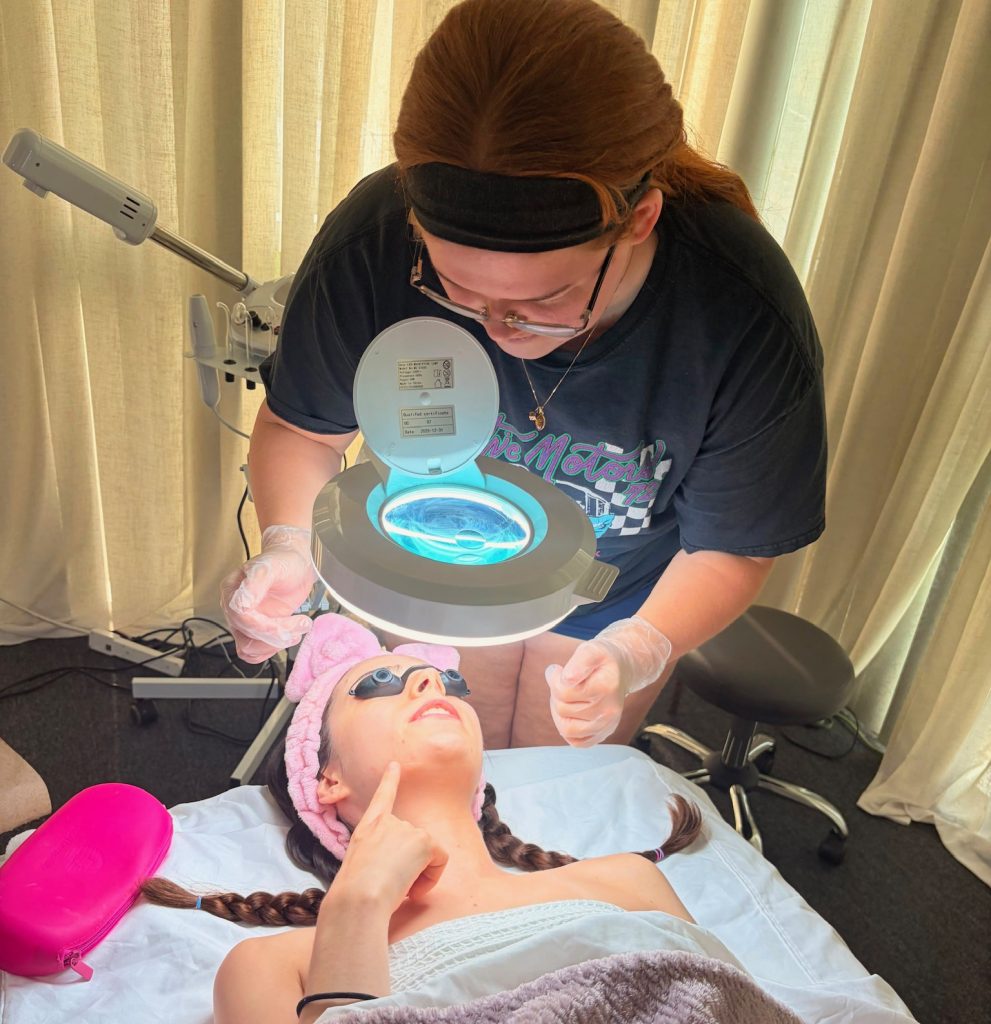
Starting a career in esthetics opens the door to a variety of skincare services, from customized facials and skin consultations to professional exfoliation treatments and relaxation-focused skincare experiences. For new estheticians in Orlando, understanding which services they can offer right after graduation is an important step toward building a successful career in the beauty and skincare industry.
Whether you plan to work in a day spa, skincare studio, beauty salon, or eventually start your own skincare business, knowing where to begin can help you turn your esthetics education into practical career opportunities. While the services you can perform depend on your training, Florida regulations, employer requirements, and any additional certifications needed, there are several popular skincare services that newly graduated estheticians can explore as they enter the profession.
At Orlando Inspirit Esthetician School, learning the foundations of professional skincare can help aspiring estheticians prepare for the next stage of their careers and discover the areas of esthetics that interest them most.
1. Customized Facial Treatments
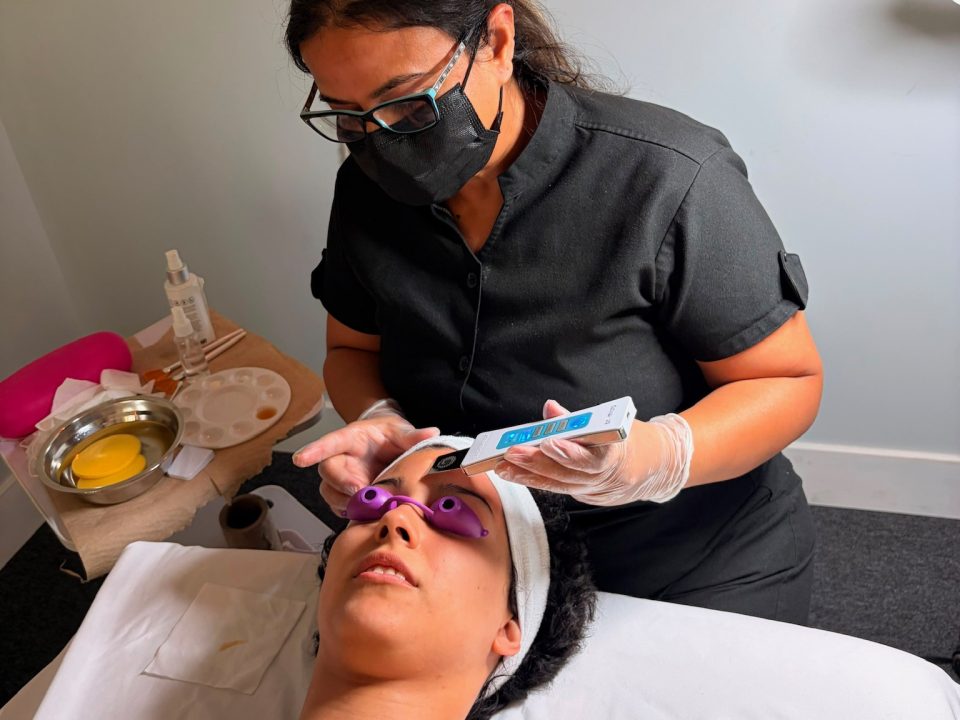
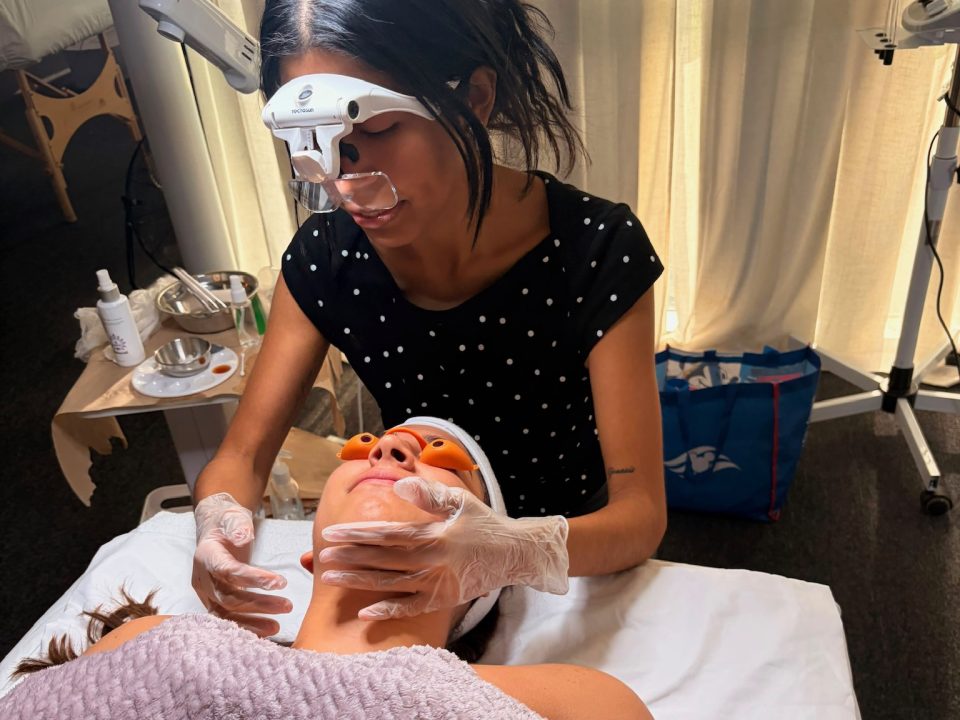
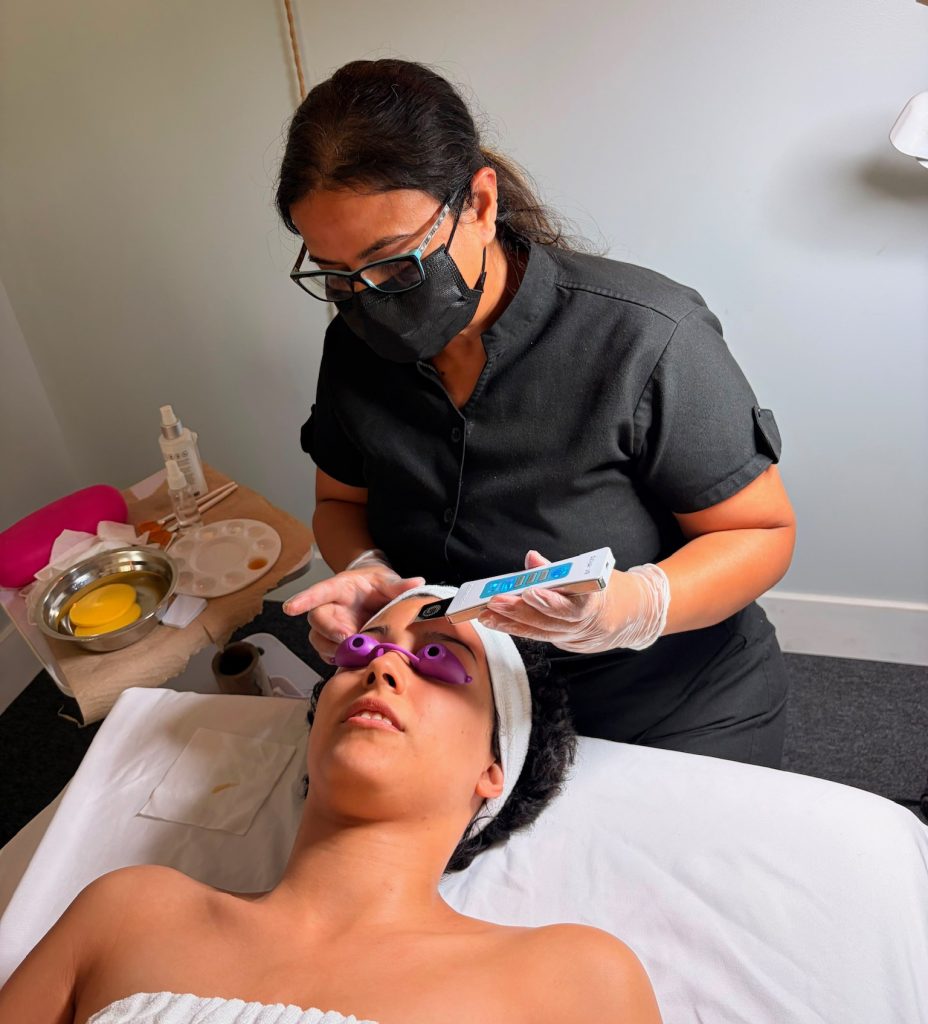
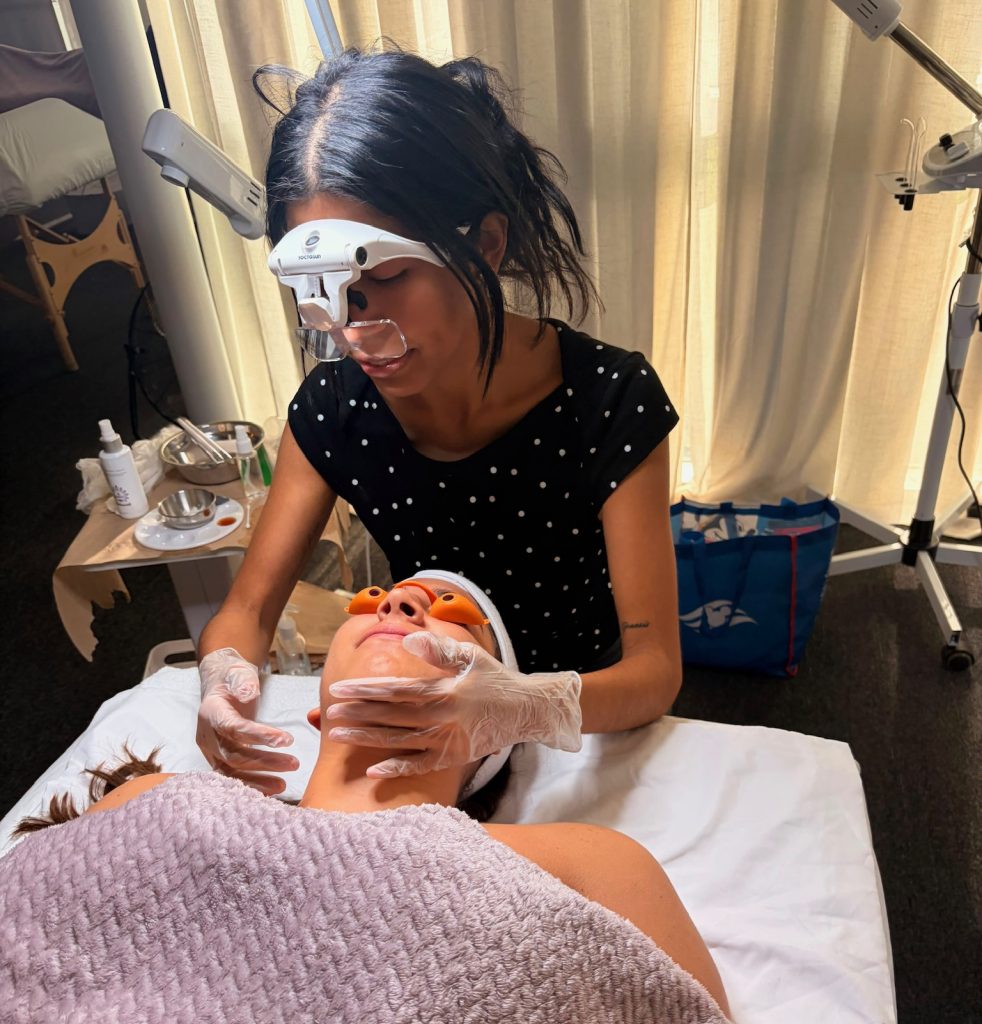
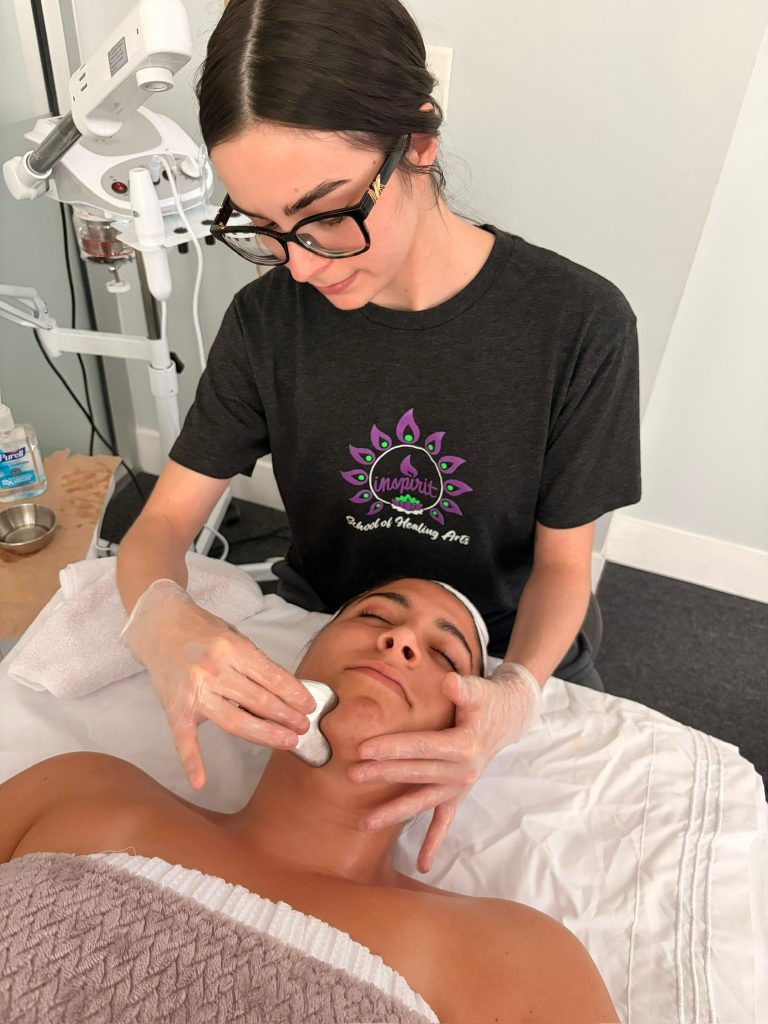
Customized facials are among the most recognizable services in the esthetics industry and can be an excellent starting point for new estheticians. These treatments focus on cleansing, exfoliating, hydrating, and caring for the skin based on each client’s individual needs and concerns.
Rather than offering the same facial to every client, estheticians learn to consider factors such as skin type, visible concerns, product compatibility, and the client’s skincare goals when planning a treatment.
Common facial services may include:
- Deep-cleansing facials: Designed to remove surface impurities and excess oil while supporting a clean, refreshed complexion.
- Hydrating facials: Focused on replenishing moisture and helping the skin feel softer and more comfortable.
- Glow facials: Incorporating appropriate cleansing, exfoliation, and hydration techniques to improve the appearance of dull skin.
- Relaxation facials: Combining skincare techniques with a calming treatment experience.
- Maintenance facials: Providing ongoing care for clients who want to maintain a consistent professional skincare routine.
Customized facials can also help new estheticians develop client communication skills, product knowledge, and the ability to recommend appropriate home-care routines. These foundational skills are valuable throughout an esthetician’s career.
2. Skin Analysis and Skincare Consultations
A successful skincare treatment often begins before the first product is applied. Skin analysis and consultations help estheticians understand a client’s concerns, discuss their current routine, and determine which services may be appropriate.
New estheticians can use consultation skills to help clients better understand their skin and make informed decisions about professional treatments and daily skincare.
A skincare consultation may involve reviewing the client’s current products, discussing their skincare goals, identifying potential sensitivities, and recommending a basic routine suited to their needs. Estheticians should also recognize when a concern falls outside their professional scope and refer clients to a qualified healthcare provider when necessary.
For example, a client who experiences persistent irritation may benefit more from professional medical guidance than from an aggressive exfoliating treatment. Knowing when to proceed, modify a service, or recommend a referral is an important part of responsible esthetics practice.
For new professionals, consultations can also establish trust and create opportunities to build long-term client relationships.
3. Basic Exfoliation Treatments
Exfoliation is another service area that new estheticians may explore after completing their training and meeting applicable requirements. These treatments help remove accumulated dead skin cells from the skin’s surface, supporting a smoother feel and a refreshed appearance.
Depending on their education, workplace protocols, and Florida regulations, estheticians may offer certain superficial exfoliation services using approved products and techniques.
Examples may include gentle enzyme treatments, cosmetic exfoliating masks, and other appropriate surface-level exfoliation methods.
However, not every exfoliation treatment is suitable for every client. Skin sensitivity, active irritation, recent procedures, medications, and other factors can influence whether a treatment is appropriate. New estheticians should understand product instructions, contraindications, and safe treatment protocols before providing these services.
More advanced chemical peels and procedures involving deeper skin penetration may require additional education, specific credentials, or medical oversight. Estheticians should never assume that every peel or exfoliation technique is within their permitted scope of practice.
Starting with services that match their education and legal qualifications allows new professionals to build experience while prioritizing client safety.
4. Facial Masks and Hydration Treatments
Hydration-focused treatments are a practical way for new estheticians to expand their facial service menus. These services can be incorporated into customized facials or offered as part of a specialized skincare experience, depending on the establishment’s offerings.
Examples include hydrating sheet masks, soothing gel masks, moisturizing cream masks, and other cosmetic products selected according to the client’s skin condition and treatment goals.
For clients who experience dryness or dehydration, an appropriately selected treatment may help improve the appearance and feel of their skin. Soothing products may also be useful in a carefully planned facial when suitable for the client’s skin.
Although these treatments can appear simple, choosing the right products still requires an understanding of ingredients, skin compatibility, hygiene, and proper application.
New estheticians can use this service category to practice personalized product selection and learn how to explain the benefits of different skincare ingredients without making unrealistic promises about results.
5. Brow Shaping and Other Basic Beauty Services
Depending on their training, credentials, and applicable state regulations, estheticians may also be able to offer certain basic brow and facial hair-removal services.
Examples can include brow shaping, tweezing, and permitted waxing services. These treatments can complement a skincare menu and appeal to clients who prefer to receive multiple beauty services in one location.
Before adding these services, new professionals should verify that they have the appropriate training and meet Florida’s requirements for the specific technique they intend to perform. They should also follow proper sanitation procedures, use suitable products, and assess whether a client’s skin is appropriate for hair removal.
For example, waxing may not be advisable on skin affected by irritation or certain topical skincare products and medications. A thorough consultation can help identify potential risks before beginning a service.
For estheticians who enjoy detail-oriented work, brow and facial grooming services may provide another way to develop their skills and build a loyal client base.
6. Professional Skincare Product Recommendations
Helping clients choose skincare products is another important part of an esthetician’s work, and it can be incorporated into many entry-level services.
Clients frequently feel overwhelmed by the number of cleansers, moisturizers, exfoliants, serums, and sunscreens available. A knowledgeable esthetician can help simplify these choices by explaining basic skincare principles and recommending products appropriate to the client’s goals and skin tolerance.
For example, a new esthetician may help a client establish a consistent routine that includes a gentle cleanser, moisturizer, and broad-spectrum sunscreen before introducing additional products when appropriate.
Product recommendations can also help clients understand how to maintain their skincare routine between appointments, making professional treatments part of a broader approach to skin care rather than a one-time experience.
New estheticians should remain within their professional scope, avoid diagnosing medical conditions, and refer clients to healthcare professionals when a concern requires medical evaluation.
7. Relaxation-Focused Spa Treatments
Not every client books an appointment to address a specific skincare concern. Some are looking for a relaxing experience that allows them to take a break from their daily routine while receiving professional skin care.
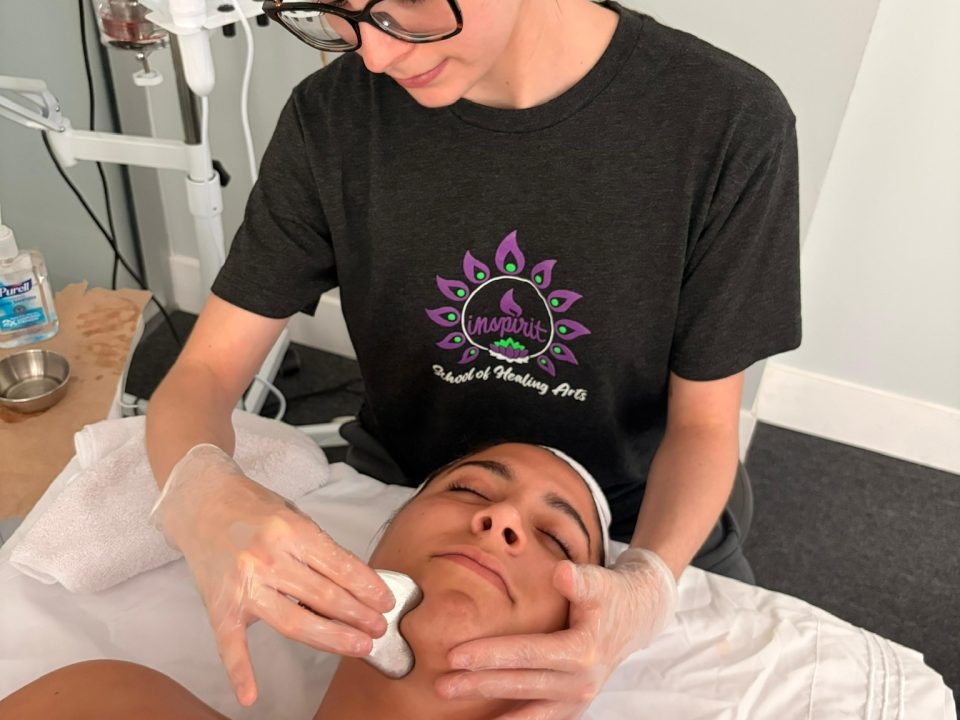
Relaxation-focused facials and other permitted spa services can combine cleansing, masks, moisturizing products, and appropriate facial massage techniques to create a calming treatment experience.
For new estheticians, these services offer opportunities to refine treatment flow, maintain a comfortable and professional environment, and develop client-care skills.
Details such as preparing the treatment room, maintaining clean linens, following sanitation protocols, and explaining each step can make a meaningful difference in the overall experience.
Estheticians should also understand the limits of cosmetic massage and avoid making medical claims about treatments intended primarily for relaxation or general cosmetic benefits.
8. Personalized At-Home Skincare Routines
Helping clients create an at-home skincare routine can be offered alongside professional treatments or as a separate consultation service when appropriate.
Many clients invest in professional facials but struggle to maintain consistent habits between appointments. New estheticians can help them understand the purpose of their products, establish a manageable routine, and avoid introducing too many active ingredients at once.
A basic routine may include a gentle cleanser, a suitable moisturizer, and daily broad-spectrum sunscreen. Additional products can be introduced based on individual needs, skin tolerance, and professional recommendations.
This service can also create opportunities for follow-up appointments, routine reviews, and ongoing client education. Rather than encouraging clients to purchase every available product, an effective esthetician helps them focus on consistency, suitability, and realistic expectations.
Building these communication skills early can help new professionals distinguish themselves through thoughtful, client-centered service.
What Services Can a Newly Graduated Esthetician Offer in Florida?
Graduating from esthetician school is an important milestone, but it does not automatically authorize a graduate to perform every service available in the skincare industry.
In Florida, the services an esthetician may perform depend on the applicable license or registration, the nature of the procedure, and any additional requirements that apply. Graduates should verify their eligibility to practice before accepting clients or advertising specific treatments.
Before offering a service, consider the following:
- Verify your credentials: Confirm that you have the required Florida license, registration, or other authorization for the work you intend to perform.
- Understand your scope of practice: Cosmetic skincare services are not the same as medical procedures, and some treatments may be restricted or require additional qualifications or medical oversight.
- Check additional training requirements: Specialized techniques may require education, certification, or credentials beyond a foundational esthetics program.
- Follow sanitation and safety protocols: Maintain proper hygiene, disinfect equipment as required, and use appropriate products and supplies.
- Understand contraindications: Learn when a service should be postponed, modified, or avoided.
- Choose an appropriate workplace: Employers may have additional training, insurance, or competency requirements before allowing a new esthetician to perform certain services.
Florida graduates should consult the Florida Department of Business and Professional Regulation (DBPR) and the relevant state rules for current licensing and scope-of-practice requirements. They should also confirm any additional requirements with their employer, insurer, and the appropriate regulatory authority before offering specialized treatments.
How to Start Building Your Esthetician Career After School
Once you have identified the services that match your qualifications, the next step is deciding how to gain experience and begin developing your professional reputation.
Start with services you know well. You do not need an extensive menu of advanced treatments to begin building a career. A strong foundation in customized facials, consultations, hydration, and appropriate cosmetic skincare services can help you develop confidence and consistency.
Look for opportunities to gain hands-on experience. Spas, salons, skincare studios, and other suitable workplaces may provide opportunities to practice your skills, learn from experienced professionals, and become familiar with client expectations.
Create a professional portfolio. With appropriate client consent, document your work, treatment approaches, and professional development. A portfolio can help demonstrate your attention to detail and communicate the services you are qualified to provide.
Continue learning. The skincare industry continues to evolve, and additional education can help you explore new techniques, understand ingredients more deeply, and identify areas of specialization that align with your interests.
Build relationships with clients. Clear communication, realistic expectations, consistent service, and thoughtful follow-up can encourage clients to return and recommend your services to others.
Explore your long-term goals. Some estheticians prefer working in established spas, while others eventually pursue independent businesses, specialize in particular cosmetic skincare services, or continue their education where permitted.
Taking these steps can help transform the skills learned in school into a more confident and sustainable professional practice.
Begin Your Esthetics Journey at Orlando Inspirit Esthetician School
A career in esthetics can offer a variety of opportunities for people who enjoy skincare, beauty, and helping others feel confident in their skin. From customized facials and skin consultations to hydration treatments and personalized product recommendations, there are many service areas that new estheticians can explore as they begin their careers.
The key is to build a strong foundation, understand the limits of your professional qualifications, and continue developing your skills as you gain experience. Starting with appropriate, well-executed services can help you establish good habits, earn client trust, and identify the areas of esthetics you would like to pursue in the future.
At Orlando Inspirit Esthetician School, aspiring skincare professionals can begin working toward their goals by learning the foundations of esthetics and preparing for opportunities in the beauty and skincare industry. If you are considering esthetician school in Orlando, explore how professional training can help you take the next step toward a career in skincare.