- Have any questions?
- 407-663-0005
- InspiritEsthetics@gmail.com

Lymphatic Drainage Massage for the Face: A Complete Guide

Beginner’s Guide to Understanding Skin Types & Skin Conditions
October 5, 2026
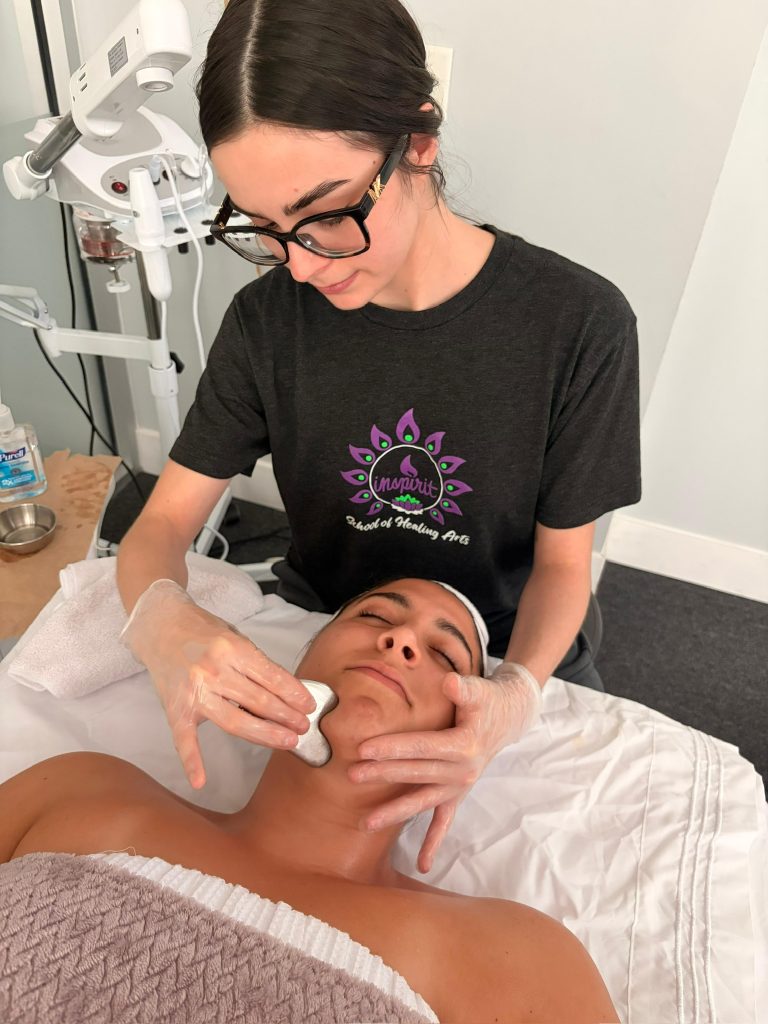
Facial treatments are about more than achieving a healthy glow. Understanding how the skin functions, how fluid moves through the body, and how different facial techniques support skin wellness can help estheticians provide more thoughtful, personalized services. One technique that has gained attention in the skincare industry is lymphatic drainage massage for the face, a gentle massage method designed to encourage the movement of lymphatic fluid and temporarily reduce the appearance of facial puffiness.
For aspiring skincare professionals, learning about facial lymphatic drainage is a valuable way to understand the connection between facial massage, skin appearance, and client wellness. Whether you are exploring professional skincare treatments or considering an education in esthetics, this guide covers what facial lymphatic drainage is, its potential benefits, how it works, and what to know before incorporating it into a skincare routine.
What Is Lymphatic Drainage Massage for the Face?
Facial lymphatic drainage massage is a gentle massage technique that follows the body’s superficial lymphatic pathways to encourage the movement of lymph fluid. The lymphatic system is an important part of the body’s immune and fluid-balancing systems, helping transport excess fluid and cellular waste products away from tissues.
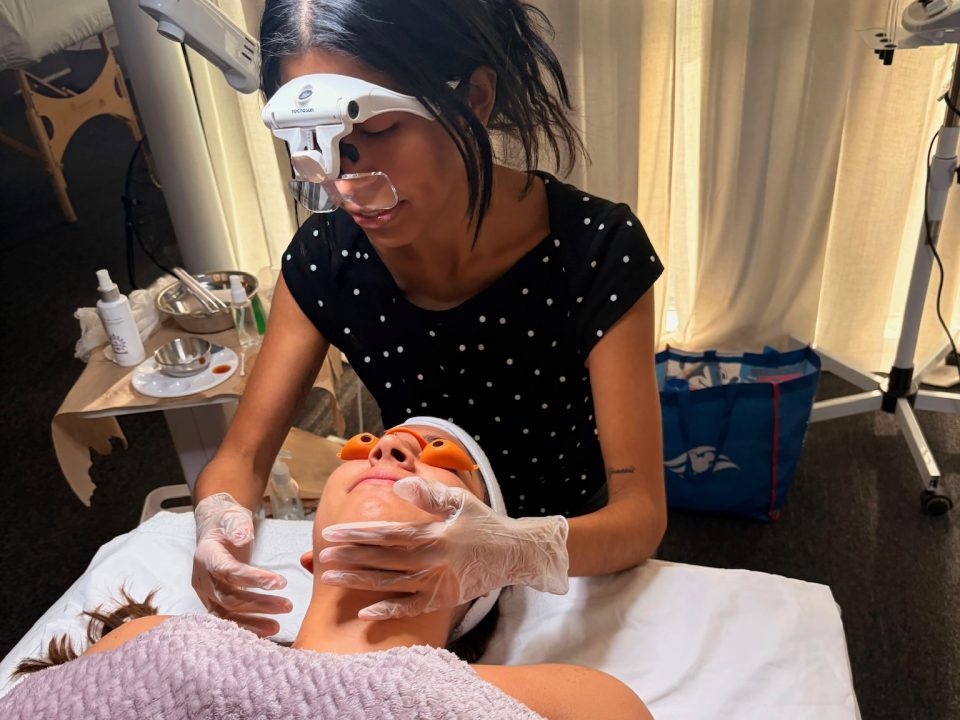
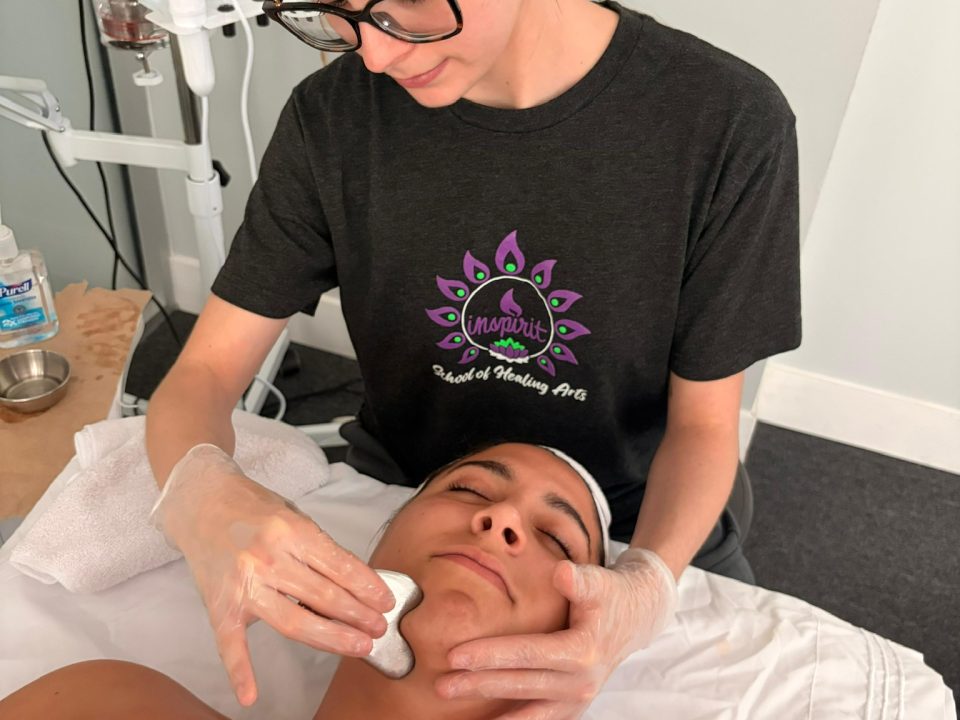
Unlike traditional facial massage, which may focus on relaxing facial muscles or applying products, lymphatic drainage uses light, rhythmic movements intended to support the natural flow of lymph. The technique generally involves gentle strokes along the face and neck, following appropriate lymphatic drainage pathways rather than applying deep pressure to the skin.
Facial lymphatic drainage is sometimes included in professional facials, spa treatments, and specialized facial massage services. It may also be performed as a gentle self-massage at home when appropriate, although professional instruction can help people understand the correct pressure, direction, and limitations of the technique.
It is important to remember that lymphatic drainage massage does not permanently sculpt the face, remove body fat, or detoxify the body in the way that some beauty marketing claims suggest. Its most noticeable cosmetic effect is often a temporary reduction in puffiness associated with superficial fluid buildup.
How Does the Lymphatic System Affect the Face?
The lymphatic system consists of a network of vessels, tissues, and lymph nodes that help maintain fluid balance and support immune function. Lymph is a clear fluid that circulates through this network, carrying substances that are eventually filtered through lymph nodes before returning to the bloodstream.
Because the face contains delicate tissues and lymphatic vessels, changes in fluid distribution can affect how the skin looks and feels. Temporary puffiness around the eyes, cheeks, and jawline can occur for several reasons, including sleeping position, dietary factors, hormonal fluctuations, allergies, and normal changes in fluid balance.
Gentle lymphatic drainage massage is intended to encourage fluid movement through existing lymphatic pathways. When fluid-related puffiness is contributing to facial fullness, this may help the face appear temporarily less swollen.
However, not all facial swelling is caused by ordinary fluid retention. Persistent, painful, sudden, or unexplained swelling may indicate an underlying medical issue and should be evaluated by a healthcare professional rather than treated with facial massage alone.
Benefits of Facial Lymphatic Drainage Massage
Lymphatic drainage massage has become popular because it is gentle, relaxing, and can complement other appropriate skincare services. Although individual results vary, several potential benefits explain why the technique is used in facial treatments.
1. Helps Reduce the Appearance of Facial Puffiness
One of the most commonly reported benefits of facial lymphatic drainage is a temporary reduction in puffiness. Gentle massage may help move excess fluid from superficial facial tissues through the lymphatic system, making areas such as the cheeks and under-eye region appear less swollen when fluid buildup is the cause.
Puffiness can be especially noticeable in the morning or after changes in sleep, diet, or routine. While massage may improve the appearance of mild, temporary puffiness, it will not address every cause of swelling or produce the same results for everyone.
2. Supports a More Defined-Looking Facial Contour
Some people notice that their cheekbones, jawline, or overall facial contours appear more defined after a lymphatic drainage treatment. This effect is generally associated with a temporary reduction in fluid-related fullness rather than a change in facial structure.
For estheticians, it is important to explain this distinction to clients. Facial lymphatic drainage should not be promoted as a fat-loss treatment or a permanent facial sculpting procedure, since its effects on appearance are temporary and depend on the individual’s circumstances.
3. Encourages Relaxation
The slow, gentle movements used during facial lymphatic drainage can create a calming treatment experience. Like other forms of gentle facial massage, the technique may help clients relax and enjoy a quieter, more comfortable spa service.
Relaxation is an important part of the client experience in esthetics, especially when treatments are designed to support both skincare goals and personal wellness.
4. Complements a Personalized Facial
When appropriate for the client, lymphatic drainage massage can be incorporated into a broader facial treatment. An esthetician may combine gentle massage with suitable cleansing, moisturizing, and other services selected according to the client’s skin type, concerns, and professional treatment plan.
The technique is not necessary for every facial, and it should never replace treatments or medical care that are more appropriate for a client’s needs.
5. May Help Manage Certain Types of Fluid-Related Swelling
Lymphatic drainage techniques are also used in clinical settings to manage certain forms of swelling, including lymphedema. However, medical lymphatic drainage is different from a cosmetic facial massage in its assessment, purpose, and treatment planning.
Clients experiencing persistent swelling or a diagnosed lymphatic condition should receive guidance from a qualified healthcare professional. Estheticians should work within their training and legal scope of practice rather than attempting to treat medical conditions through cosmetic services.
What Is the Difference Between Lymphatic Drainage and Traditional Facial Massage?
Although both techniques use touch and movement, their primary goals differ. Understanding these differences helps skincare professionals select appropriate techniques and explain their services clearly to clients.
Lymphatic drainage massage uses very light, rhythmic movements intended to encourage lymphatic fluid movement. It focuses on appropriate lymphatic pathways and does not require deep pressure.
Traditional facial massage may focus more broadly on relaxation, the sensation of muscle tension, and the application of skincare products. Depending on the technique, it may involve a wider variety of movements and varying levels of pressure.
Neither technique is automatically better than the other. The appropriate choice depends on the client’s goals, skin condition, health considerations, and the esthetician’s training.
For example, a client primarily interested in relaxation may enjoy a traditional facial massage, while someone concerned about mild morning puffiness may be interested in learning whether gentle lymphatic drainage is appropriate for them.
How to Perform Facial Lymphatic Drainage Massage
The exact movements used in lymphatic drainage massage depend on the method being taught, the treatment area, and the client’s needs. Although professional protocols can vary, the following principles provide a helpful introduction to the technique.
Step 1: Prepare the Skin
Begin with clean hands and appropriately cleansed skin. Remove makeup, sunscreen, and surface impurities before starting the massage. Make sure the client is comfortable, explain the purpose of the treatment, and review any relevant skin or health concerns.
If a product is used to support comfortable hand movement, choose one suitable for the client’s skin and the treatment protocol. The massage itself should remain gentle, since excessive pressure is not necessary for superficial lymphatic techniques.
Step 2: Understand the Drainage Pathways
Facial lymphatic drainage is based on an understanding of the lymphatic vessels and the areas where lymph fluid travels toward regional lymph nodes. A trained practitioner learns how to work with these pathways rather than simply rubbing the face in random directions.
Many facial techniques incorporate the neck and areas around the collarbones because they relate to the broader lymphatic drainage system. However, the correct sequence and movements should be learned through professional instruction rather than assumed to be identical for every client.
Step 3: Use Gentle, Controlled Movements
Lymphatic drainage generally involves light, rhythmic movements that gently stretch the skin. Deep pressure, aggressive rubbing, and forceful pulling are not appropriate substitutes for the technique.
Practitioners should use the method they have been trained to perform, following a consistent sequence and adjusting the treatment to the client’s comfort and condition. More pressure does not mean better results.
Step 4: Work Methodically Across the Face
Depending on the protocol, treatment may include the sides of the neck, jawline, cheeks, and areas around the eyes. Movements should follow the appropriate drainage pathways, with special care around delicate areas such as the under-eyes.
The skin should not be dragged or stretched unnecessarily, and any discomfort, irritation, or unexpected reaction is a reason to stop and reassess the treatment.
Step 5: Finish With Appropriate Aftercare
After the massage, the practitioner can apply suitable skincare products and provide simple aftercare recommendations. Clients may be encouraged to maintain their normal hydration habits and skincare routine, although drinking extra water does not guarantee additional lymphatic drainage benefits.
Results should be discussed realistically. Some clients may notice a temporary change in puffiness, while others may see little visible difference. No specific outcome should be guaranteed.
Important: This overview is educational, not a substitute for hands-on training. Students and practicing estheticians should learn the technique from a qualified instructor and follow applicable professional standards and scope-of-practice requirements.
Can You Perform Lymphatic Drainage Massage at Home?
A gentle facial massage at home may be appropriate for some people who experience occasional, mild puffiness. However, the technique should be performed carefully, and anyone considering it should understand that a simple beauty massage is not the same as clinically supervised lymphatic drainage.
For a basic at-home routine:
- Start with clean hands and a clean face.
- Use only very light pressure and slow, controlled movements.
- Avoid tugging at the skin, especially around the eyes.
- Follow a reliable technique demonstrated by a qualified professional instead of relying on exaggerated social media claims.
- Stop if you experience pain, irritation, dizziness, or worsening swelling.
Facial massage should be avoided over active skin infections, open wounds, or areas of unexplained inflammation. People with a history of blood clots, significant heart or kidney disease, diagnosed lymphatic disorders, or other conditions that may affect fluid management should seek medical guidance before attempting lymphatic drainage. Anyone recovering from facial surgery or a cosmetic procedure should follow their treating clinician’s instructions and obtain clearance before massage.
If facial swelling is sudden, severe, painful, or accompanied by difficulty breathing, seek urgent medical attention as appropriate. Swelling that persists or repeatedly returns also deserves medical evaluation.
How Often Should You Get a Facial Lymphatic Drainage Massage?
There is no single treatment schedule that works for everyone. The appropriate frequency depends on the reason for seeking treatment, the individual’s health, the technique being used, and the advice of the treating professional when medical concerns are involved.
For cosmetic purposes, some people choose to include gentle lymphatic drainage in an occasional facial, particularly when temporary puffiness is a concern. Others may prefer to perform a gentle self-massage when appropriate.
Because the visible effects can be temporary, frequent treatments do not necessarily produce lasting facial changes. A qualified esthetician can help clients understand what a treatment may realistically accomplish and whether it fits into their broader skincare goals.
Clients with diagnosed lymphedema or other medical causes of swelling should follow a plan developed by an appropriately qualified healthcare professional rather than adopting a cosmetic treatment schedule independently.
Who Should Avoid Facial Lymphatic Drainage Massage?
Although gentle facial massage is suitable for many people, it is not appropriate in every situation. A thorough consultation helps identify potential concerns before beginning a treatment.
Extra caution or medical clearance may be necessary for clients who have:
- An active skin infection, fever, or acute illness.
- Unexplained facial swelling or significant inflammation.
- Recent facial surgery, injectable treatments, or other cosmetic procedures requiring recovery time.
- A history of blood clots or a diagnosed condition affecting lymphatic function.
- Significant heart or kidney disease, particularly when fluid management is affected.
- Painful skin lesions, open wounds, or areas of compromised skin integrity.
This list is not exhaustive, and some conditions require avoiding massage altogether rather than simply modifying the technique. When a client’s health history raises concerns, the safest approach is to postpone treatment and refer them to an appropriate healthcare professional.
Estheticians should never diagnose the cause of swelling or promise to treat a medical condition through a cosmetic facial.
What Should Estheticians Know About Facial Lymphatic Drainage?
For aspiring estheticians, facial lymphatic drainage is a useful example of why professional skincare education involves more than learning how to apply products. Effective treatment requires an understanding of skin anatomy, sanitation, client consultation, contraindications, and the limitations of cosmetic services.
Students benefit from learning how to identify when a service may be appropriate, how to communicate its expected results, and when a client’s concerns fall outside the esthetician’s scope of practice. They also need to understand that a technique performed incorrectly can cause unnecessary irritation or be inappropriate for a client’s health circumstances.
Hands-on education is especially valuable for specialized facial massage techniques because pressure, movement, positioning, and sequencing are difficult to master through written instructions alone. Practicing under qualified supervision allows students to develop their skills while receiving feedback on their technique and client care.
For those interested in building a career in skincare, learning the fundamentals of esthetics provides a foundation for exploring facial treatments, spa services, and other areas of professional development as their education and experience progress.
Is Facial Lymphatic Drainage Massage Worth Learning in Esthetics School?
As interest in facial massage and personalized skincare continues to grow, lymphatic drainage is a technique worth understanding for anyone exploring a career in esthetics. It offers an opportunity to learn more about facial anatomy, fluid balance, gentle touch, and the importance of adapting treatments to individual client needs.
However, a successful skincare career is built on more than knowing popular techniques. Professional estheticians need a strong foundation in skin analysis, sanitation, client communication, treatment planning, and recognizing when a service is not appropriate. These skills help ensure that clients receive treatments that are both thoughtful and consistent with professional standards.
At Orlando Inspirit Esthetician School, aspiring skincare professionals can explore the knowledge and practical skills involved in pursuing an esthetics career. Whether your goal is to work in a spa, provide professional facials, or continue developing specialized skincare skills, choosing an esthetics education that emphasizes hands-on learning and professional preparation is an important first step.
Facial lymphatic drainage massage is one example of how understanding the skin and the body can enhance a skincare professional’s approach to client care. With the right education, training, and realistic expectations, aspiring estheticians can build the foundation they need to keep learning and growing in the beauty and skincare industry.
Frequently Asked Questions About Facial Lymphatic Drainage Massage
Does facial lymphatic drainage massage really work?
Facial lymphatic drainage may temporarily reduce mild puffiness when excess fluid contributes to facial fullness. Results vary, and the technique does not permanently reshape the face, remove fat, or treat every cause of swelling.
How long does a facial lymphatic drainage massage take?
The duration depends on the treatment protocol and whether the massage is performed as a standalone service or included in a facial. A practitioner can explain the expected treatment time before beginning.
Can facial lymphatic drainage help with under-eye bags?
It may temporarily improve the appearance of under-eye puffiness caused by fluid buildup. However, under-eye bags can also result from genetics, aging, fat-pad changes, and other factors that massage cannot correct.
Is facial lymphatic drainage safe for everyone?
No. Although the technique uses gentle pressure, certain health conditions, infections, unexplained swelling, and recent cosmetic procedures may make massage inappropriate. Clients should seek medical guidance when relevant, and estheticians should follow professional contraindication guidelines.
Can estheticians perform facial lymphatic drainage massage?
Whether an esthetician may offer a particular technique depends on their training, applicable state and local regulations, and the nature of the service. Estheticians should receive appropriate instruction, work within their legal scope of practice, and avoid representing cosmetic massage as medical treatment.
Do you need special training to learn facial lymphatic drainage?
Specialized instruction is recommended to understand the anatomy, pressure, movement, and sequencing involved. Esthetics education provides a foundation in skin anatomy, facial treatments, sanitation, and client consultation, while additional training may be needed for specific techniques.
Start Building Your Future in Esthetics
Understanding facial lymphatic drainage massage is a reminder that professional skincare combines science, technique, and personalized client care. By learning how facial treatments work, recognizing their limitations, and prioritizing client safety, aspiring estheticians can make more informed decisions as they prepare for careers in the skincare industry.
If you are interested in becoming an esthetician, Orlando Inspirit Esthetician School is a place to explore your next steps toward a future in professional skincare. Building a strong educational foundation can help you develop the confidence and knowledge needed to pursue opportunities in facials, spa services, and the wider beauty industry.